
Buying Horse Property in Virginia: What to Look for on Rural Acreage

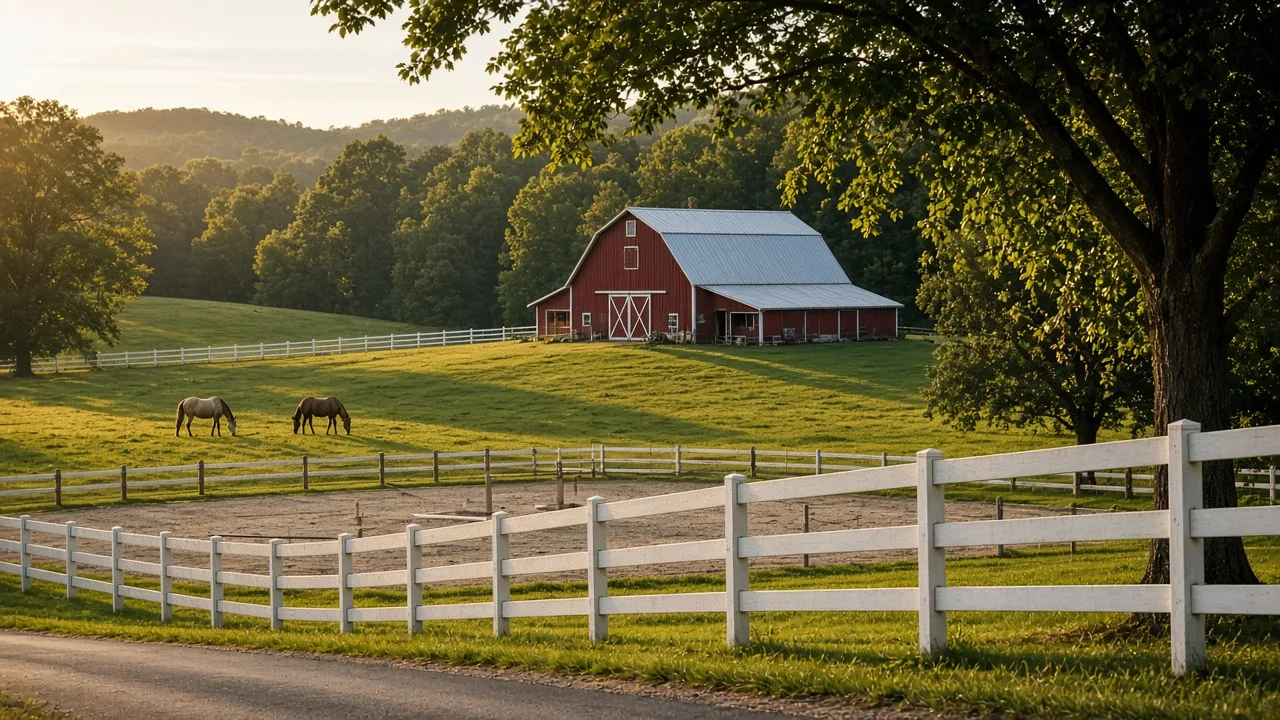
Buying horse property in Virginia is about far more than the house. The acres, the barn, the fencing, the well and septic, and the way your county zones rural land all decide whether a parcel actually works for your horses. I'm a land specialist who helps buyers across Goochland, Powhatan, Hanover, New Kent, King William, Amelia, Henrico, and the surrounding areas find acreage they can genuinely ride on. Here is the honest checklist I walk through on every horse property I show.
Central Virginia is real horse country. From the equestrian estates along Goochland's river roads to the barns and pastures of New Kent near Colonial Downs, the land here was built for horses. But a pretty pasture can hide costly problems, which is why I always tell buyers to start with the land and work backward to the house.
Start with acreage and pasture, not the house
How much land do your horses actually need? Virginia Cooperative Extension guidance calls for roughly two acres of pasture per mature horse, with more set aside for each horse you add, grazing rotation, and a dry lot or sacrifice area for wet months. That is a planning number, not a license: pasture quality, drainage, and your feeding plan all change what a parcel can honestly carry.
When I look at acreage I separate the usable from the pretty. Walk the land to see how much is open pasture versus wooded or wet ground, check the drainage in the fields, and ask about soil and what grass is established. A parcel may be 15 acres on paper and have far fewer acres of pasture that is really grazeable. Your county extension office can tell you what your soil and grass will realistically support before you commit.
The barn and the arena are assets, or projects
A good barn is a serious asset on a horse property. Look at the stall count and condition, the aisle width, the run-in sheds, the hay storage, and whether an indoor or outdoor arena comes with usable footing. A well-built barn adds real value when you sell, while a tired one can become a repair project fast.
Ask whether the arena footing is sound and how it is maintained, and confirm there is room to expand if you plan to grow your operation. Pay attention to access, too: a hay truck or a horse trailer need room to turn, and barns set deep off narrow driveways can be harder to work than they look in photos.
Fencing: safe turnout starts at the fence line
The universal rule for horse fencing is simple: never rely on barbed wire. It is nearly invisible to a panicked horse and causes serious injuries. Safe systems are smooth and highly visible, like wood board, vinyl post-and-rail, or woven no-climb mesh, often with an electric line or tape where extra training is needed.
Walk the fence lines before you buy and budget for what needs replacing. Safer fencing costs more up front, but it protects your horses and raises the value of the property. A property with tired or unsafe fencing is not a deal-breaker; it is a line item, and I help buyers price that into their offer before they get attached.
Water access: where will your horses drink?
Horses drink a lot, so clean, reliable water at pasture and barn matters as much as quantity. Look for ponds and streams, ask about the ability to run automatic waterers, and check water quality before you fall in love. A dry pasture with no easy water hookup is a fix that costs real money after the sale.
On rural Virginia acreage, that water is often turned off or hard to confirm. That is where the next two items come in, and they are the ones most buyers forget until it is too late.
Well and septic on rural land: check feasibility before you close
Most rural horse properties run on a private well and septic system. Both are permitted through the Virginia Department of Health, and a property not on public water or sewer needs those permits before the county will build. The good news is that the approvals are checkable, and you should make them a condition of your purchase.
- Well. Ask about the well yield and water quality, and confirm testing has been done for quantity and safety. The well must be sited with proper separation from any septic or contaminant source.
- Septic. Confirm the property has a working, permitted septic system sized for the home. If you plan to build, the site needs a soil evaluation (the "perc test") that passes for the bedroom count you need.
- Contingency. I make offers on rural land contingent on a passing soil evaluation and a working well, because a property without either is not buildable. Ask your lender, too, about the septic inspection standards that now apply when one is requested at sale.
These checks are routine, and they are exactly what separates a smooth rural closing from a costly surprise. Do not skip them.
Will your county let you keep your horse?
Every county zones rural land differently, and how many horses a property legally supports varies. Here is how the horse-friendly counties I cover generally treat it, verified from their zoning rules and subject to change, so always confirm with the county zoning administrator before you commit:
| County | Horse rules at a glance |
|---|---|
| Goochland | Horses are by-right on agricultural land; on residential lots of two acres or more, one horse is allowed on the first two acres plus one for each additional acre. |
| Hanover | Roughly one horse per acre on rural and agricultural holdings, with barns and stables permitted on larger agricultural parcels. |
| New Kent | No acreage restriction for horses on Agricultural (A-1) land; in residential zones, three usable acres for the first horse and two for each additional, up to ten. |
| Powhatan | Rural districts allow one horse on five acres or more, plus one for each additional acre up to twenty; rural residential lots run larger. |
| Amelia | Horse keeping generally needs larger parcels of ten acres or more or agricultural zoning, which keeps most horse property to true farm acreage. |
Barns and arenas follow their own rules as accessory structures, with setbacks and, in some cases, permits for larger or commercial facilities. And if a property carries a conservation easement, that can limit what you build, fence, or expand. I check all of that before I let a client fall in love.
Proximity to trails and equine veterinarians
Daily horse life is far easier when you are close to trail networks, an equine veterinarian, a farrier, and a feed store. Map those drives before you buy. Around Richmond and Hampton Roads you have real options: equine referral hospitals and ambulatory vets in Hanover and Goochland, and mobile large-animal practices that serve New Kent and further east. Public riding trails at parks like Pocahontas State Park in Chesterfield and the state-park bridle networks give you somewhere to ride without hauling far, though you should always check a trail's rules for horse use before you plan around it.
The equine vets I hear about most in this part of Virginia include Woodside Equine Clinic in Ashland, accessible and equine-focused; Virginia Equine in Manakin-Sabot serving Goochland and the western counties; and Tidewater Equine Clinic in Williamsburg, which serves New Kent and Charles City. Practices like these sit close to the horse-country corridors buyers focus on, which is part of what makes the region work so well for horse owners. Confirm a vet is taking new clients for your area before you count on them.
This guide is part of my wider equestrian and horse-country resource for Central Virginia, where I cover the horse-friendly counties, buying guidance, events, and FAQ: Equestrian Living & Horse Country. New Kent, home of Colonial Downs and a deep network of barns and trails, has its own dedicated guide too: New Kent Equestrian Guide.
Zoning and health rules change, so verify the details that matter to you before you sign. Check your county's zoning ordinance or zoning administrator, the Virginia Department of Health's well and septic program, and Virginia Cooperative Extension's horse pasture guidance. I can point you to the right office and help you read what it means for a specific property.
Shannon Russell REALTOR® / BHGRE BASE CAMP / Agent.ShannonsHomeList.com
Let's Find Acreage That Works for Your Horses
Whether you are buying your first hobby farm or searching for show-ready acreage, I can match you to land that is zoned, watered, and fenced for horses. Call or text me for a friendly, no-pressure conversation.
Shannon Russell
Military Relocation Professional (MRP) & Realtor®
Shannon helps families across Richmond, New Kent, Hanover, Goochland, Williamsburg, and Hampton Roads feel at home, whether they are relocating for the military, buying a first home, looking for land, or selling for top dollar. She brings warmth, honesty, and deep knowledge of Central Virginia's horse country to every client relationship.
Call or text Shannon at (804) 803-1080