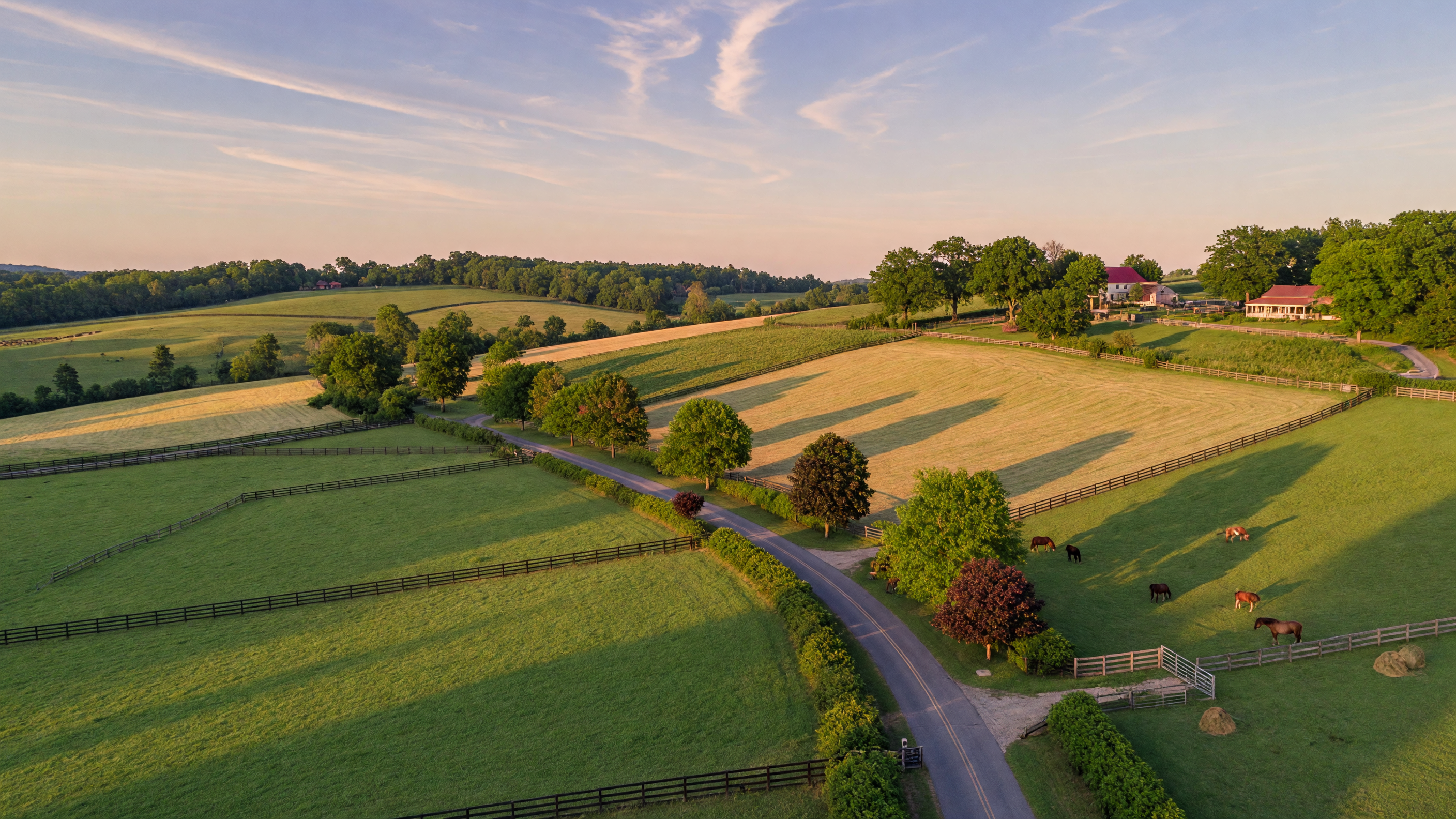
Find the right piece of Virginia — and build exactly what you want.
Whether you are searching for rural acreage in New Kent, a wooded homesite in Goochland, or an equestrian property in Amelia County, I help buyers navigate the unique process of purchasing land across the Richmond and Hampton Roads area. From zoning research and soil testing to builder referrals and closing, I make sure you understand every detail before you commit.
Why buy land in Virginia?
Buying land is a different kind of real estate transaction — and for many buyers, it is the most exciting one. Whether you are planning to build your dream home, start a hobby farm, or invest in a growing region, here is why Virginia acreage is worth serious consideration.
Freedom to Build Exactly What You Want
When you buy land, you are not limited to someone else's floor plan or design choices. You choose the lot, the builder, the layout, and every detail — from the orientation of the house to the placement of a wraparound porch. It is the most personalized way to become a homeowner.
Rural Charm with Reasonable Commutes
Virginia's countryside offers a peaceful, rural lifestyle while still being within a manageable commute of Richmond and Williamsburg. Many of my clients find that trading a 10-minute urban drive for a scenic 25-minute country road is more than worth it — especially when they come home to acreage and quiet.
Lower Entry Price Points
In many areas, raw or improved land can be a more affordable entry into homeownership compared to buying an existing home. With the right piece of land and a phased building plan, you can create your dream property on a budget that makes sense for your family.
Investment Potential
Central Virginia and Hampton Roads continue to grow, and land in desirable areas tends to appreciate over time. Whether you plan to build now or hold for the future, purchasing acreage in a growing region can be a smart long-term investment.
Equestrian and Agricultural Opportunities
Virginia horse country is legendary, and much of the land in areas like New Kent, Goochland, and Amelia is perfectly suited for horses, livestock, or small-scale farming. As a horse owner myself — my mare Lacey keeps me honest about what makes good equestrian property — I know what to look for in terms of fencing, pasture quality, and barn-friendly lots.
Privacy and Space
After living on or near a military base, many families crave room to breathe. Land purchases are especially popular with military families transitioning to civilian life who want privacy, space for kids to run, and a home that feels like a true retreat from the demands of service life.
Areas with land and acreage
Central Virginia and Hampton Roads offer a surprising range of land options — from affordable starter parcels to sprawling equestrian estates. Here are the counties where I see the most activity and the best opportunities for land buyers.
New Kent County
One of the most popular areas for acreage in the region. Expect rolling terrain, waterfront lots along the Chickahominy and York rivers, rural estates, and a growing community of custom-built homes. Excellent for equestrian properties and families wanting space with a Williamsburg or Richmond commute.
Charles City County
Large lots and riverfront properties define this historic county. With some of the biggest parcels available near the James River, Charles City is ideal for buyers seeking privacy, waterfront access, or agricultural land. Custom homes on 5+ acres are common here.
King William County
Farmland and rural residential lots at competitive prices. King William offers a quiet, agricultural setting with easy access to Route 360 for commuting. Popular with buyers looking for homesteads, horse properties, and gentleman's farms.
Goochland County
Rolling hills and estate-sized lots just west of Richmond. Goochland has a strong reputation for luxury custom homes on acreage, equestrian estates, and a rural atmosphere that feels worlds away from the city despite being only 20–30 minutes from Short Pump.
Amelia County
One of the most affordable areas for acreage in the greater Richmond region. Amelia offers wide-open spaces, farmland, and a growing number of custom builds. Ideal for buyers who want maximum land for their budget while still being within reach of the metro area.
Powhatan County
A rural county with a growing community of custom-home builders and families seeking space. Powhatan offers affordable acreage, rolling terrain, and a tight-knit rural atmosphere with convenient access to Route 60 and Midlothian.
Hanover County
Acreage with convenient access to I-95 and I-295 makes Hanover a practical choice for buyers who want land without sacrificing commute time. Popular with families who need good schools, larger lots, and proximity to the Ashland and Mechanicsville communities.
Surrounding Areas
Beyond these core counties, land opportunities extend into King and Queen, New London, Powhatan, and parts of Southside Virginia. I monitor listings across a wide geographic range to help you find the right property wherever it may be.
What to know before buying land
Buying land is fundamentally different from buying an existing home. There is no roof to inspect, no HVAC to test, and no previous owner\'s maintenance history to review. Instead, you need to evaluate the land itself — its potential, its limitations, and the legal and practical details that will determine whether your plans can become reality.
Zoning and Land Use Restrictions
Every county in Virginia has its own zoning ordinances that dictate what you can and cannot do with a piece of land. Zoning determines whether a lot is designated for residential, agricultural, or commercial use — and some parcels have specific restrictions on density, building height, or land coverage. Before you buy, I help you understand exactly what the zoning allows so your plans align with what the county permits.
Utility Access: Well vs. Municipal Water, Septic vs. Sewer
One of the biggest differences between buying land and buying an existing home is the utility situation. Many rural lots require a private well for water and a septic system for sewage. Others may have access to public water or sewer, which can significantly affect both cost and feasibility. I help you determine what utilities are available or required, and connect you with the professionals who can evaluate each option.
Road Access and Easements
A beautiful piece of land is useless if you cannot legally get to it. Road access — whether public or private — is a critical detail. Some lots have dedicated road frontage on a county-maintained road; others require an easement through a neighbor's property. I review access details before you commit, so there are no surprises.
Flood Zones and Environmental Considerations
Properties near rivers, creeks, or low-lying areas may fall within FEMA-designated flood zones, which can affect where you build, what insurance you need, and how the land can be used. Environmental considerations like wetlands, protected habitats, or conservation easements can also limit your options. I help you identify these factors early in the process.
Soil Testing for Septic Approval
In Virginia, a perk test (percolation test) is required before a septic system can be approved. The test evaluates how well the soil absorbs water, which determines the type and size of septic system your lot can support. Not all soil perc's well — and if it does not, it can significantly limit where a home can be placed on the property. I coordinate with soil engineers to get this done before you buy.
HOA and Covenant Restrictions on Some Lots
Even in rural areas, some land parcels are subject to homeowners association rules or restrictive covenants. These might dictate minimum home size, building materials, fence styles, or whether you can keep livestock. I review all recorded covenants and restrictions so you know exactly what you are agreeing to before closing.
Financing Differences for Land vs. Home Loans
Land loans work differently than traditional mortgages. They often require larger down payments (typically 20–50%), carry higher interest rates, and have shorter repayment terms. Some buyers use a construction-to-permanent loan that combines the land purchase and build into one financing package. I work with lenders who specialize in land and construction financing to help you find the right program for your situation.
The Importance of a Survey
A boundary survey is one of the most important steps in any land purchase. It confirms the exact boundaries of the property, identifies any encroachments or easements, and ensures you are buying what you think you are buying. For properties with no existing structures, a survey also provides the reference points needed for planning your home placement, driveway, and septic system.
Shannon's land services
Land transactions involve more moving parts than a standard home purchase. From identifying the right parcel to coordinating surveys, soil tests, and zoning reviews, I manage the details so you can focus on the big picture — building the life you want on the land you choose.
Lot Identification and Site Selection
Finding the right piece of land takes more than browsing listings. I actively monitor new land listings across the region, leverage my network of local contacts, and evaluate each parcel based on your specific criteria — whether that is equestrian suitability, school districts, commute times, or build feasibility.
Zoning and Zoning Variance Guidance
If a property's zoning does not perfectly match your intended use, a variance or special use permit may be possible. I help you understand the zoning process, connect you with county planning departments, and guide you through the application when a variance is needed.
Builder Referral Network
Building on your own land is different from buying in a planned community. I work with a network of custom builders, general contractors, and modular home companies who have experience with the local terrain, permitting process, and rural construction challenges. I can connect you with the right builder for your budget and vision.
Coordination with Surveyors, Soil Engineers, and Attorneys
A land purchase often involves more professionals than a typical home purchase. I coordinate with licensed surveyors, soil engineers for perk tests, environmental consultants, and real estate attorneys to make sure every detail is addressed before you close.
Negotiation of Purchase Agreements
Land contracts have their own nuances — contingencies for soil testing, financing conditions, and development timelines are all negotiable. I structure purchase agreements that protect your interests and give you the flexibility and time you need to complete due diligence.
Understanding of Rural Land Transactions
Rural land deals involve details that do not come up in standard residential transactions — mineral rights, water rights, agricultural exemptions, conservation easements, and boundary disputes are all common. I have the experience to identify and address these issues so your purchase proceeds smoothly.
Land buying FAQ
Here are answers to the questions I hear most from buyers considering land purchases in Virginia.
Looking for land in Virginia?
Whether you are searching for a homesite, equestrian property, agricultural land, or a quiet place to spread out, I am here to guide you through every step of the process. Let's find the right property for your plans.