
Selling Large Plots of Land in and Around Richmond, Virginia

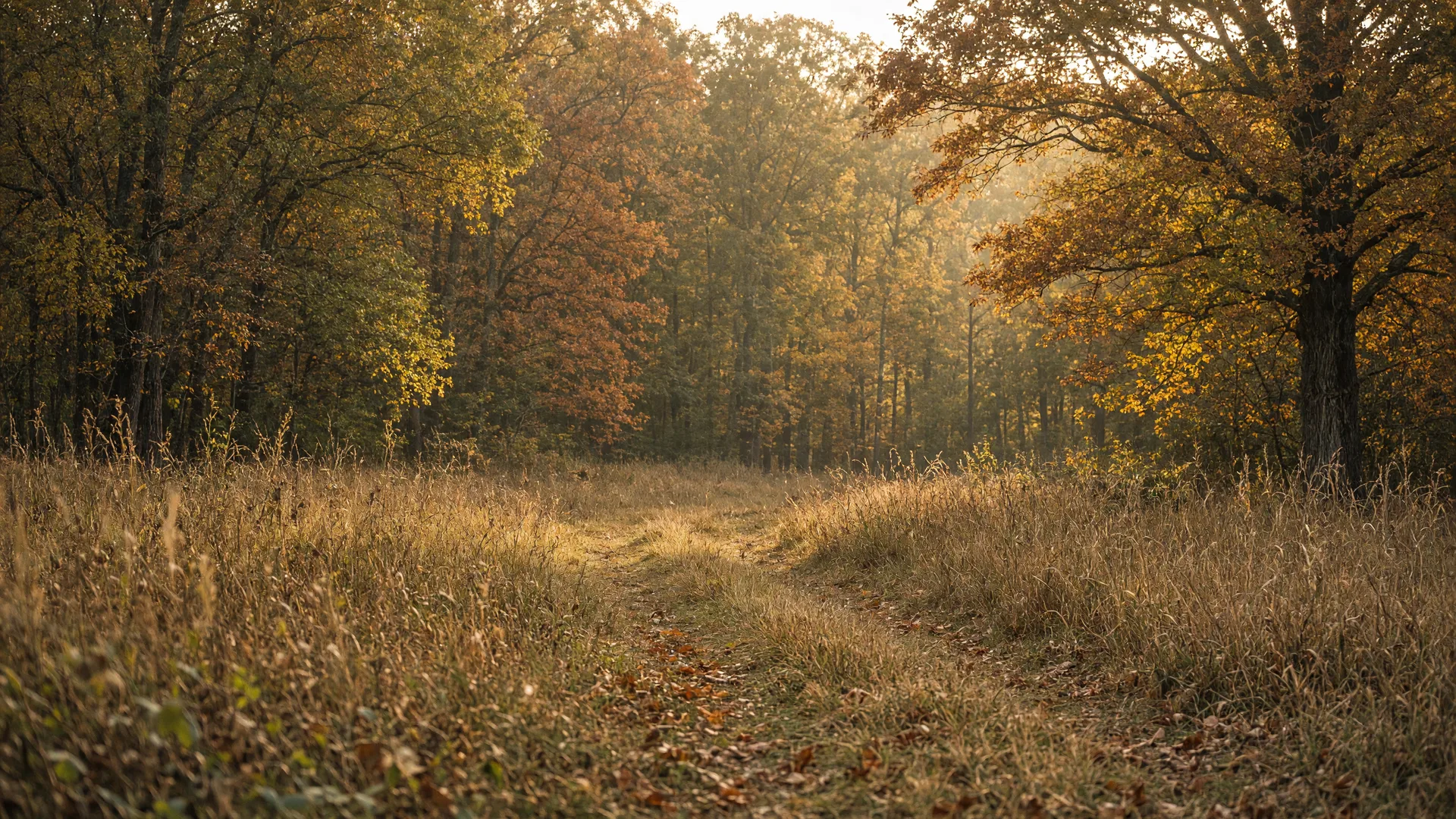
"Land is a different animal than a house. Buyers of large acreage care less about a freshly painted porch and far more about access, utilities, zoning, and what the soil will allow. If you own 5+ acres in Goochland, Powhatan, Hanover, New Kent, Amelia, or any of the rural counties around Richmond, the most valuable thing you can do is understand how the land market actually works before you ever put a sign in the ground."
Shannon Russell, MRP
If you own a large parcel anywhere in the rural counties around Richmond, you own something increasingly rare in Central Virginia: genuine, open space in a region that keeps growing. From Goochland and Powhatan in the west to Hanover, Beaverdam, and Aylett in the north, and from King William and Charles City down through New Kent, Amelia, Chesterfield, Prince George, and Mechanicsville, farms, timberland, and equestrian properties have drawn steady attention in recent years. Whether you bought your land years ago or inherited it, there is a good chance the market for it is stronger than you realize. This guide walks through why rural land around Richmond is in demand, what actually drives its value, and how to sell a large parcel well.
Why Land in Rural Central Virginia Is in Demand
The rural counties ringing Richmond each sit in a sweet spot. They keep the quiet, open character buyers move out for, yet they are within a workable drive of the region's job centers and interstates. Goochland and Powhatan anchor the horse country to the west, Hanover, Beaverdam, and Mechanicsville spread across the north and northeast, Aylett, King William, Charles City, and New Kent sit to the east, with New Kent right on the I-64 corridor between Richmond and the Peninsula, and Amelia, Chesterfield, and Prince George round out the south and east. That combination of peace and convenience is hard to find anywhere else.
On top of location, these counties share genuine farm and equestrian appeal. Rolling fields, wooded lots, and creeks suit everyone from hobby farmers to horse owners, and builders looking for room to create custom properties have taken notice. As nearby communities fill in, larger parcels across the region become more attractive simply because there are fewer of them left. New Kent is a strong example, with established farms and large lots sitting beside newer communities along I-64, and the same pattern is playing out from Hanover to Amelia.
What Drives the Value of a Large Parcel
Unlike a house, whose value rests largely on its condition and floor plan, a piece of land is valued on facts a buyer has to verify. The biggest drivers are:
- Location and road frontage: A parcel with legal frontage on a maintained public road is worth far more than one that relies on a neighbor's easement or a rough private lane.
- Availability of utilities: Whether public water, sewer, or power is at the road can change both the price and the pool of buyers. Remote parcels that need a well and septic can sell, but they appeal to a smaller audience.
- Zoning and allowed uses: What the county permits matters enormously. A parcel zoned for agricultural use can hold horses and small farms; one zoned residential has different rules. Buyers are willing to pay for flexibility.
- Soil and perc potential: In rural Virginia, septic is usually decided by soil. A parcel that percs well can be split or built on with ease, and that directly supports its value.
- Timber value: Mature, marketable timber can add real value, though it cuts both ways. Some buyers want open pasture; others want the standing woods. Knowing what your timber is worth helps you price the parcel honestly.
- Water access: Frontage on a river, creek, or pond is a genuine premium. Water views and accessible waterways draw equestrian buyers, builders, and families alike.
Can the Land Be Subdivided?
Buyers of large parcels almost always ask whether the land can be subdivided and into how many lots, and for good reason: the answer can change the value dramatically. A parcel that can be split into a handful of buildable homesites appeals to a much wider pool of buyers than one that has to be sold whole, and experienced buyers know it.
Whether a parcel can be divided comes down to the county's zoning and subdivision rules, the parcel's size and road frontage, septic and well feasibility, and any conditions the county placed on earlier subdivisions. Some parcels carry stipulations from a previous subdivision, and the county may or may not allow the land to be divided again, so sellers should never assume what is possible. The only way to know for sure is to check the county's current rules for your specific parcel.
Family subdivisions
In Virginia, landowners can sometimes transfer a portion of their land to an immediate family member, such as a child, parent, sibling, or grandchild, outside the standard subdivision process. Often the family member must have built on or used that section for a set number of years before it can be subdivided to them and later sold separately. Rules and timelines vary by county, so confirm the details with the county planning office before counting on this path.
What a seller should do
The smartest move is to gather the facts before you list. Have the current plat and survey handy, know your zoning district and its minimum lot size, ask the county planning office in writing what subdivision is possible for your parcel, and check for recorded restrictions or stipulations. You do not need to become a zoning expert; you just need to ask the right questions early.
An agent experienced with land knows to ask these questions up front, because they shape how the property should be marketed and priced. When subdivision potential is real, it belongs at the center of the listing strategy. When it is not, an honest conversation up front saves everyone time and keeps the sale realistic.
How to Prepare a Parcel for Sale
Preparation is about removing surprises, because uncertainty is what delays and kills land deals. Start with a current survey so the boundaries are clear and marked. Pull the title and review any easements or restrictions on the property, because an unrecorded right of way or a restrictive covenant can surface late in a transaction. Clear or mow access along the road and any entry points so the parcel shows well, and be ready to state plainly what is included in the sale, whether that is timber rights, an outbuilding, or something else. The fewer open questions, the smoother the process.
How Land Is Priced and Sold
Land is priced by comparing recent sales of similar acreage nearby, not by square footage the way houses are. Strong parcels often draw cash buyers who can close quickly, but many purchases are financed, and land financing has its own underwriting standards that can take time. The bigger point is timing: land sells more slowly than houses, full stop. The buyer pool is smaller, the due diligence is longer, and serious buyers rarely make snap decisions. Patience is part of a successful land sale. This is normal, not a sign that something is wrong.
Who Buys Large Parcels
Understanding the buyer pool helps you market to it. Builders want acreage they can subdivide or build on. Farmers and hobby farmers want usable, workable land. Equestrian buyers want pasture, fencing potential, and room for horses and a barn. Investors are often looking at long-term appreciation or future development. And plenty of families simply want space to spread out, start a homestead, or escape a crowded subdivision. A good marketing plan speaks to each of these groups in turn.
Why Working with an Agent Who Sells Land Matters
Not every real estate agent has genuine experience with acreage. Land transactions carry their own contracts, contingencies, and due diligence periods, and the buyer pool is patient and particular. An agent who actually works with large parcels knows how to price them, where to market them, and how to keep a deal on track when a survey, a soil test, or a timber appraisal enters the picture. That experience is what turns a difficult sale into a smooth one, and it is worth seeking out before you list.
Selling 5+ acres in rural Central Virginia does not have to be intimidating. When you understand why your land is valuable, prepare it carefully, and price it against what buyers are truly paying, you are well on your way to a successful sale.
Selling land? Let's talk about your property.
Get a free land valuation for your acreage and clear next steps for selling, from pricing and preparation to marketing and closing. Contact me today and we'll map out the process together.