Thinking About Building Your Dream Home? Here's Where to Start
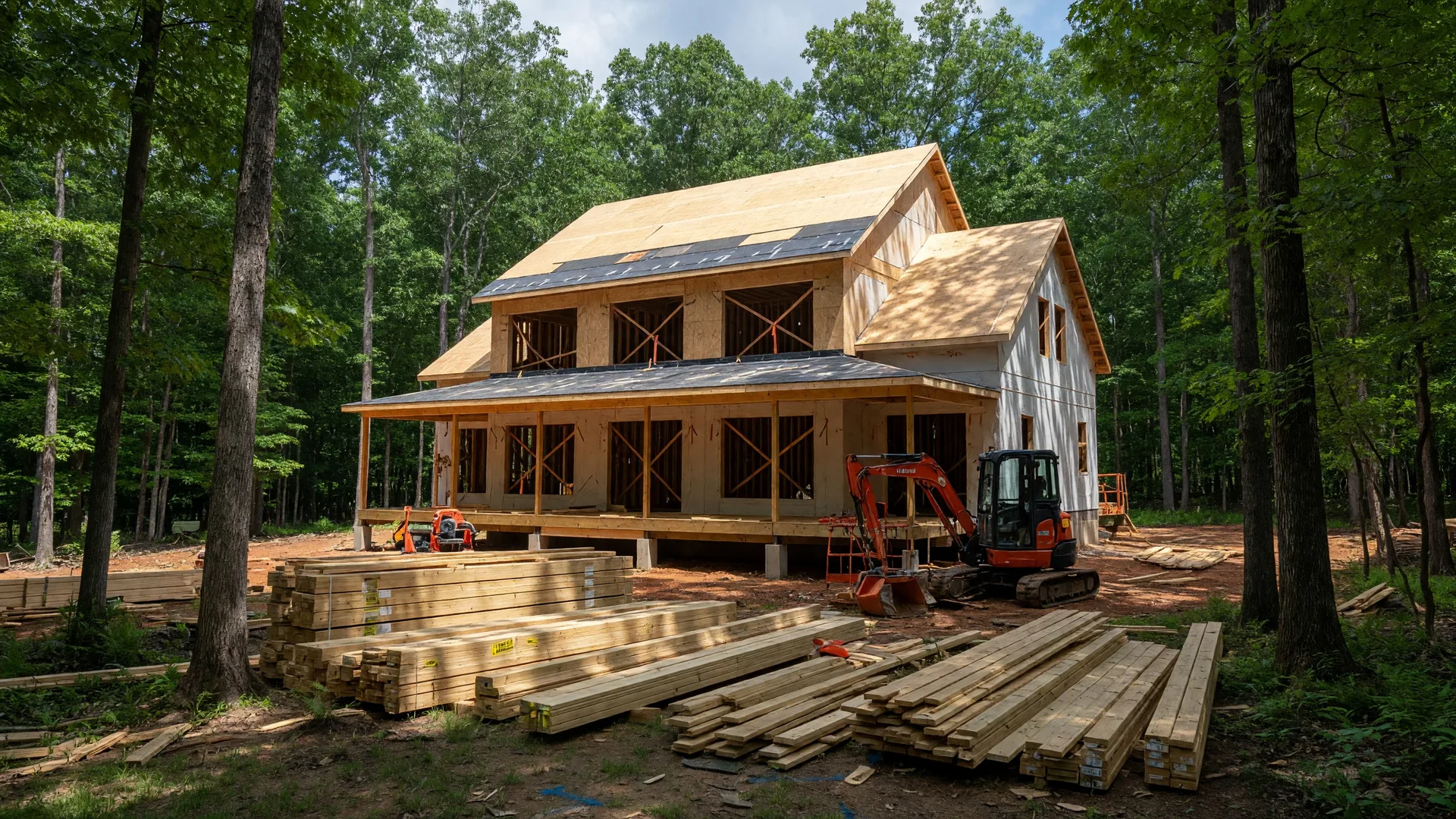
"Building a home is one of the most exciting decisions you will ever make. You get to design a space that is truly yours, from the floor plan to the finishes. But let me be honest with you: it can also feel overwhelming at first. I have walked dozens of families through this process, and the ones who start with a clear plan always have the best experience. This guide is your starting point."
— Shannon Russell, MRP
So you are thinking about building your dream home. Maybe you have been scrolling through existing listings and nothing quite fits. Maybe you love the idea of a brand new space where everything is exactly how you want it, from the kitchen layout to the amount of natural light in the living room. Or maybe you have found a piece of land that speaks to you and you want to build a home that belongs there.
Whatever brought you here, I want you to know that building a home is absolutely achievable — and it does not have to be as complicated as it sounds. The key is taking it one step at a time, starting with the right information. That is exactly what this guide is for. Let us walk through each step together so you know exactly where to begin.
Step 1: Decide if building is right for you
Not everyone should build, and that is okay. The most important thing is figuring out whether the benefits of building outweigh the trade-offs for your specific situation. Let me lay out both sides of that coin.
The Pros
- Brand new everything — no one has lived in it before
- Custom floor plan designed for how you actually live
- Modern energy efficiency — lower utility bills from day one
- Builder warranties on structural, systems, and appliances
- No renovations needed — everything is new and up to code
The Cons
- Longer timeline — typically 6 to 12 months to completion
- More decisions to make than buying an existing home
- Potentially higher cost than buying an existing home
- You need patience — delays happen with weather, materials, and permits
If you are nodding along with the pros and feel okay about the cons, then building might be a great fit for you. And if you are still unsure, that is fine too. I can walk you through the trade-offs for your specific situation.
Step 2: Figure out your budget
Here is one of the biggest differences between buying an existing home and building one: the financing works differently. Construction loans are not the same as regular mortgages. With a traditional mortgage, you get the full loan amount upfront and buy the house. With a construction loan, the lender releases funds in stages as the work progresses — foundation, framing, roofing, and so on.
Here is what you need to know about budgets for new construction:
- You will need a larger down payment. Construction loans typically require 20% to 25% down, which is higher than the 3% to 5% you might put down on an existing home with a conventional or FHA loan. VA construction loans are available but can be more restrictive.
- Your budget includes more than just the house. You need to factor in the cost of the land, site preparation (clearing, grading, utility connections), building permits, and the actual construction. And do not forget the extras that come after the build — landscaping, a driveway, window treatments, and furnishing a whole house.
- Get pre-approved before you start looking. Just like buying an existing home, you want to know your budget before you fall in love with a floor plan or a lot. I can connect you with local lenders who specialize in construction loans for Virginia buyers.
Quick tip: When you are budgeting, leave yourself a cushion. Most builders include an allowance for things like flooring, countertops, and fixtures, but those allowances can be tight. If you want upgraded finishes, you will pay the difference. Plan for 10% to 15% above the base price for upgrades and finishing touches.
Step 3: Find your land
You do not have to own land before you start talking to builders. Many builders already have lots available in their communities, and buying a home in a new development often means the land is included in the price. But if you have your heart set on a specific piece of property, here is what to think about:
- Location matters more than you think. Consider your daily commute, school districts, and how close you are to military bases if you are a service member. In Virginia, a 20-minute difference in commute can mean the difference between crossing a bridge-tunnel or not — and that makes a real impact on your quality of life.
- Think about the land itself. Lot size, slope, drainage, and soil type all affect what you can build and how much it will cost. A steep lot may require expensive foundation work. A wooded lot means clearing costs. Make sure you understand what you are getting.
- Check zoning laws and HOA restrictions. Virginia counties have different rules about setbacks, minimum square footage, and permitted building materials. If you are looking at a lot in an HOA community, review the covenants carefully — they can affect everything from the color of your siding to whether you can build a fence.
I serve communities across New Kent, Charles City, West Point, James City, Newport News, Mechanicsville, Hanover, Henrico, King William, Chesterfield, Richmond, Prince George, Petersburg, Hopewell, Amelia, Goochland, Beaverdam, and surrounding areas. I know the available lots, the zoning quirks, and the communities that fit different lifestyles.
Step 4: Choose a builder
This is one of the most important decisions you will make. The right builder makes the process smooth and enjoyable. The wrong one can turn your dream into a headache. Here is how to choose wisely:
Research builders in your area
Look at their past work. Drive through communities they have built. Pay attention to the quality of the landscaping, the consistency of the architecture, and how the homes have held up over time.
Ask for references and visit model homes
A good builder is happy to connect you with past clients. Talk to them about their experience. Visit model homes and spec homes to see the quality of the finishes in person, not just in photos.
Make sure they are licensed and insured in Virginia
Virginia requires builders to be licensed through the Department of Professional and Occupational Regulation (DPOR). Verify their license number and check for any complaints or disciplinary actions.
Understand what is included and what is not
Builder contracts often list a base price with a long list of "options" and "upgrades" that bump the total. Make sure you know exactly what is included in the base price — appliances, flooring, countertops, landscaping, driveway — and what costs extra. I review these contracts with every client so there are no surprises.
How Shannon can help you build your dream home
This is where I come in. Building a home is a team effort, and I am here to be your guide through every stage. Here is what I bring to the table:
Local market knowledge
I know the available lots and communities across Richmond, Hampton Roads, New Kent, and all the surrounding areas. I can point you to the places that fit your lifestyle and budget.
Trusted builder connections
I have relationships with builders across the region — from production builders like Ryan Homes and Lennar to local custom builders like Birchwood Homes and Lifestyle Home Builders. I can connect you with builders who have a track record of quality and integrity.
Full process guidance
From land search and builder selection to contract review, design center appointments, and the final walkthrough, I am with you every step of the way. Building a home should be exciting, not stressful — and I work hard to keep it that way.
Want to Learn More?
We are putting together a complete new construction guide. Each article in the series will dive deeper into one part of the process — from construction loans and builder contracts to design center strategy and the final walkthrough. Sign up below to be notified when each new article drops.
Be the first to know when the next guide is published.
Sign Up for UpdatesBuilding a home is a journey, and I would be honored to help you navigate it. Whether you are just starting to explore the idea or you are ready to start looking at lots, reach out whenever you are ready. No pressure, no sales pitch — just honest, helpful guidance from someone who genuinely loves helping families find their perfect place.
Shannon Russell
Military Relocation Professional (MRP) & Realtor®
Shannon helps military families, first-time home buyers, and local Virginia sellers navigate real estate with clarity and confidence. She specializes in new construction across Central Virginia and Hampton Roads, and guides her clients through every step — from land search to the final walkthrough.
Call Shannon today (804) 803-1080 or click "Get in Touch"
Explore More New Construction Guides
Interested in Building in New Kent?
Check out our New Kent community guide for neighborhoods, schools, local events, and everything about living in New Kent.
Thinking about building a home in Virginia? Let's talk.
From land search and builder selection to contract review and the final walkthrough, I am here to make sure your new construction experience is smooth, informed, and exciting.