
Fall Home Maintenance Checklist for Richmond and Hampton Roads Homeowners

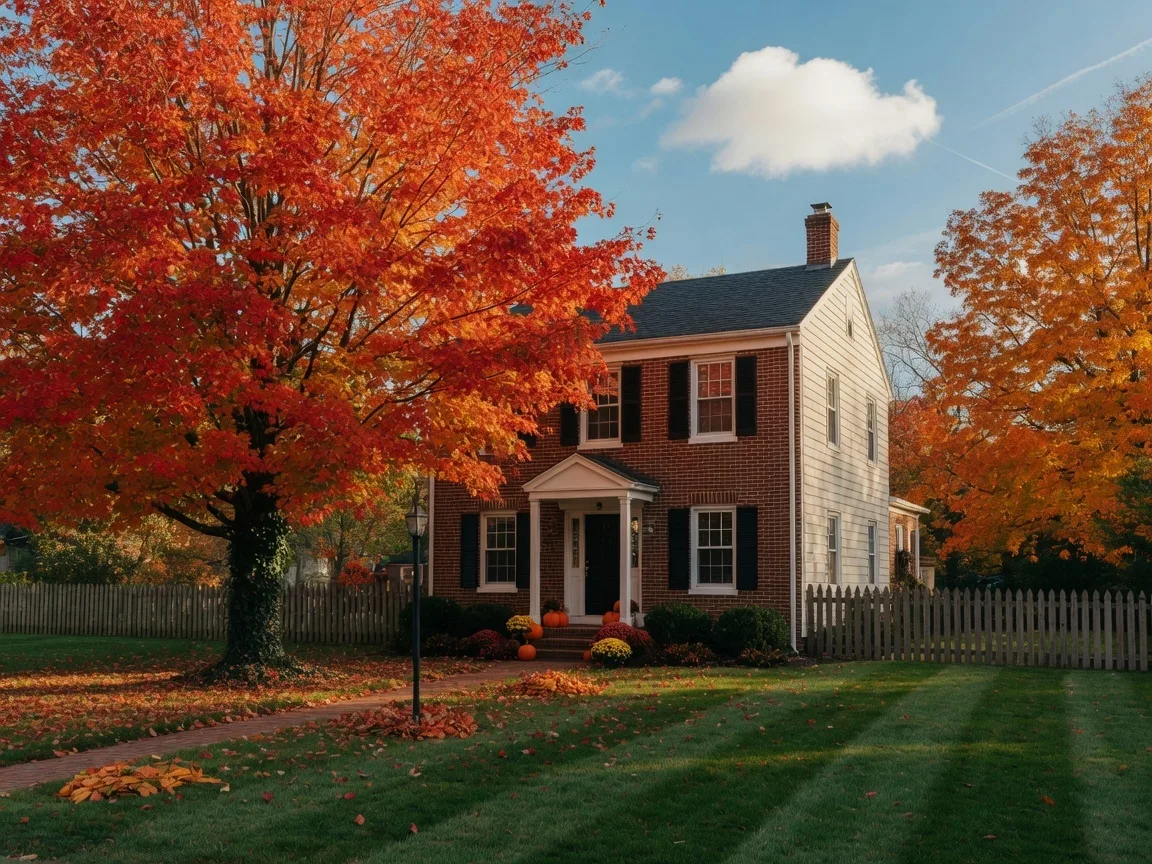
"Virginia fall is one of the most beautiful times of the year in our area. The leaves turn brilliant shades of red and gold, the air gets crisp, and the farmers markets are full of apples and pumpkins. It is also the time to check a few key things around your home before winter settles in. A little preventive maintenance in September and October can save you from expensive emergency repairs in January."
— Shannon Russell, MRP
Fall in Virginia is spectacular. The Blue Ridge Mountains catch the changing leaves, the air gets crisp enough for a cozy sweater, and pumpkin patches and apple orchards fill up with families on weekends. But before you settle in for apple cider and football, there is some important home maintenance to take care of.
Virginia's climate swings from hot, humid summers to cold, occasionally icy winters. The transition period in the fall is the perfect time to prepare your home for the colder months ahead. This checklist covers the essentials — inside and out — so you can enter winter with confidence and avoid costly surprises.
Exterior Maintenance — Protect Your Home from the Outside In
Clean Your Gutters and Downspouts
This is the number one fall maintenance task, and for good reason. Virginia's trees shed a tremendous number of leaves, and when they accumulate in your gutters, they block the flow of rainwater. Clogged gutters can cause water to back up under your roofline, damaging fascia boards, siding, and even your foundation. Here is what to do:
- Clean gutters thoroughly after the trees have dropped most of their leaves (typically late October to early November in Central Virginia).
- Check that downspouts are clear and direct water at least 3 to 4 feet away from your foundation.
- Consider installing gutter guards if you have many trees on your property. They reduce the frequency of cleanings significantly.
Inspect Your Roof and Chimney
Walk around your home and look at the roof from ground level (or use binoculars for a closer view). Look for missing, cracked, or curled shingles. Check for any moss or algae growth which can trap moisture against the roofing material. If you have a chimney, now is the time to schedule a professional inspection and cleaning before you start using the fireplace.
Seal Windows and Doors
Drafty windows and doors are the biggest source of heat loss in a home. Walk around each window and exterior door and feel for drafts. Common fixes include:
- Replacing old weatherstripping around doors.
- Applying caulk around window frames where the trim meets the siding.
- Adding window insulation film for especially drafty older windows.
- Installing door sweeps at the bottom of exterior doors.
These small fixes are inexpensive and can lower your heating bills by 10% to 20% over the winter months.
Winterize Outdoor Faucets and Irrigation
In Virginia, we get occasional hard freezes starting in late November. Before the first freeze:
- Disconnect and drain garden hoses.
- Shut off the water supply to outdoor faucets if you have interior shutoff valves.
- Install foam faucet covers on exterior spigots.
- Have your sprinkler system blown out by a professional to prevent frozen pipes from bursting underground.
Interior Maintenance — Get Your Home Ready for Winter
HVAC System Check
Your heating system is about to work harder than it has all year. Schedule a professional HVAC tune-up before the cold weather arrives. A technician will clean the system, check for gas or carbon monoxide leaks, inspect the heat exchanger, and make sure everything is running efficiently. A well-maintained furnace can save you 10% to 15% on heating costs and is far less likely to break down in the middle of a January cold snap.
Replace Furnace Filters
If you have been using disposable air filters through the summer, replace them with fresh ones before you switch over to heat. A clean filter improves air quality, reduces strain on your HVAC system, and keeps your energy bills lower. Check filters monthly during the heating season and replace them as needed.
Test Smoke and Carbon Monoxide Detectors
With heating systems and fireplaces running more often, fall is an important time to test all smoke alarms and carbon monoxide detectors. Replace batteries if needed, and replace any detector that is more than 10 years old. Every floor of your home should have at least one working smoke alarm and one carbon monoxide detector.
Reverse Ceiling Fans
Most ceiling fans have a switch that reverses the direction of the blades. In the winter, set your fan to run clockwise at a low speed. This gently pushes warm air that has risen to the ceiling back down into the living space, which can make a noticeable difference in how comfortable a room feels.
Yard and Garden Prep — Put Your Outdoor Space to Bed
Leaf Management
Raking leaves is the classic fall chore, but you do not have to remove every single leaf from your yard. A thin layer of leaves can actually benefit your lawn by providing natural mulch and nutrients. However, thick layers of wet leaves can smother grass and promote fungal diseases. If your yard is heavily wooded, rake or mulch leaves regularly throughout the fall rather than waiting for one big cleanup.
Prepare Garden Beds and Lawn Equipment
- Cut back perennials and remove annuals that have finished for the season.
- Add a layer of mulch or compost to garden beds to protect plant roots over the winter.
- Drain and store garden hoses, and run the gas out of lawn mowers and trimmers before storing them for the season.
- Consider a fall fertilizer application to strengthen your lawn's root system before winter dormancy.
Emergency Preparedness — Be Ready for Winter Weather
While Virginia does not get the brutal winters of New England, we do get our share of ice storms, snow events, and power outages. Take a few minutes to make sure you are prepared:
- Check that you have a working flashlight with fresh batteries, a first aid kit, and a supply of bottled water and non-perishable food.
- If you have a fireplace or wood stove, stock up on seasoned firewood now, before the first cold snap drives up demand and prices.
- Know where your main water shutoff valve is located. If a pipe bursts, you need to be able to turn off the water quickly.
- Consider having a backup power source if you rely on well water or medical equipment. A portable generator can be a lifesaver during a multi-day outage.
Why Fall Maintenance Matters for Homeowners
A little effort in the fall saves a lot of stress in the winter. Preventive maintenance is also one of the things I talk about with sellers who are listing their homes. A well-maintained home not only shows better, it also appraises higher and sells faster. If you are planning to sell your home in the spring, taking care of these fall maintenance items now means your home will be in great shape when it is time to list.
And if you are a first-time homeowner, do not worry if this list feels long. Tackle the highest-priority items first: gutters, HVAC, and outdoor faucets. Then work through the rest at your own pace. Your home will thank you, and so will your wallet.
Let's Talk About Preparing Your Home for Sale
Fall maintenance is the perfect first step toward a successful spring listing. I can help you create a plan that gets your home market-ready. Reach out for a no-obligation consultation.
Shannon Russell
Military Relocation Professional (MRP) & Realtor
Shannon helps homeowners across Richmond and Hampton Roads protect their investment through smart maintenance, informed buying decisions, and strategic selling. She brings warmth, honesty, and deep local knowledge to every client relationship.
Call Shannon at (804) 803-1080