
New Construction vs. Resale Homes in Virginia: Finding the Right Fit for Your Family

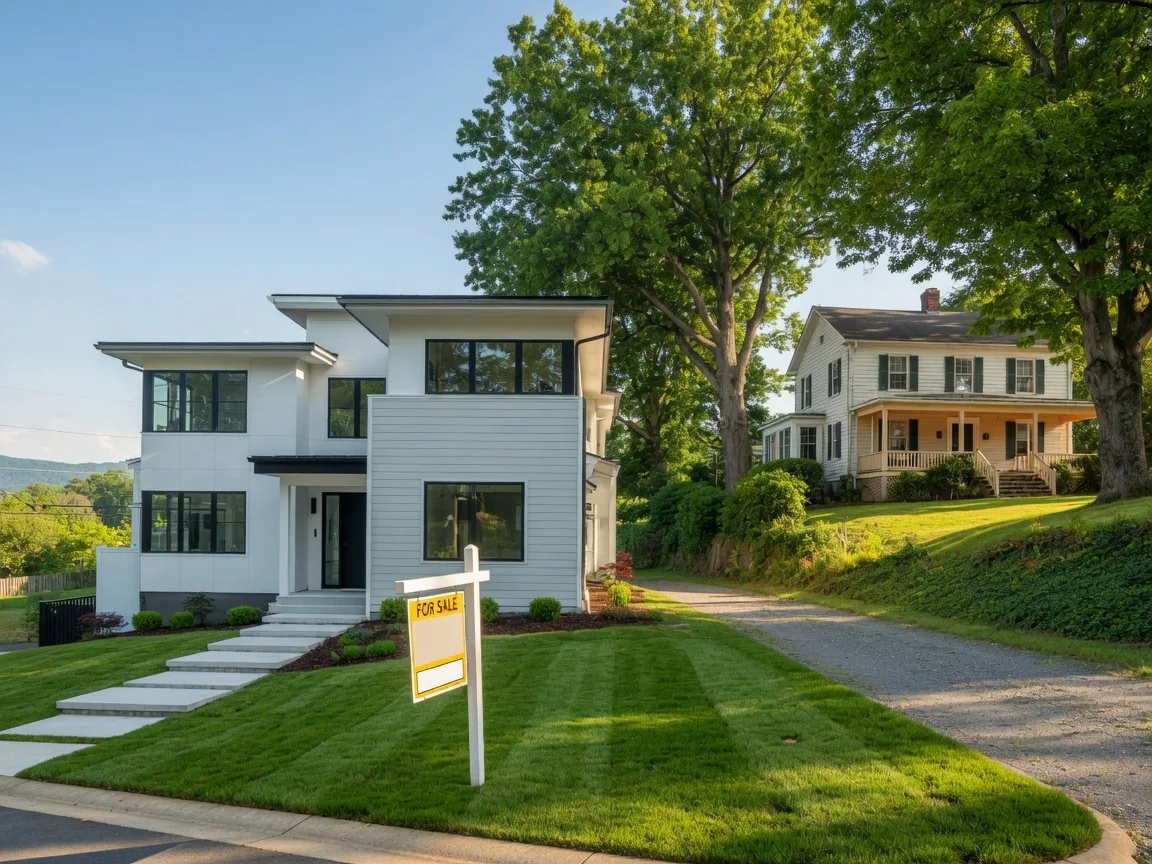
"Every buyer I work with asks this question at some point: should we buy a brand-new home or look for something with character that has already been lived in? The answer is different for every family, and there is no wrong choice — but there are real trade-offs to understand. I help buyers weigh the costs, timelines, and lifestyle factors so they can pick the path that feels right for them."
— Shannon Russell, MRP
If you are searching for a home in the Richmond metro, Hampton Roads, or the surrounding Virginia communities, you will likely encounter both new construction and resale homes. Each option has distinct advantages, and the right choice depends on your timeline, budget, lifestyle, and how much control you want over the finished product.
In this guide, I break down the key differences between new construction and resale homes in Virginia, with real numbers and local context so you can make an informed decision.
New Construction Homes in Virginia: What You Need to Know
New construction homes are built from the ground up, either as part of a master-planned community or on individual lots. In Virginia, areas like New Kent, Hanover, Chesterfield, and James City County have seen significant new construction activity in recent years, with builders offering everything from starter homes to luxury estates.
Pros of New Construction
- Everything is brand new. New roof, new HVAC, new appliances, new plumbing, and new electrical systems. You are unlikely to face major repairs for years, and everything comes with a builder's warranty.
- Customization options. Many builders allow you to choose finishes, paint colors, flooring, cabinetry, and fixtures. You get a home that reflects your taste from day one.
- Energy efficiency. New homes are built to modern energy codes, which means better insulation, more efficient windows, and Energy Star-rated appliances. Your monthly utility bills will typically be lower than in an older home of the same size.
- Lower maintenance costs initially. With everything new, you will not need to budget for a new roof, water heater, or furnace in the first several years of ownership.
- Modern floor plans. Open-concept layouts, large primary suites, walk-in closets, and multi-generational living options are standard in new construction.
Cons of New Construction
- Higher price per square foot. New construction typically commands a premium over resale homes in the same area. You are paying for the newness and the builder's profit margin.
- Construction timeline uncertainty. Building a home from the ground up can take 6 to 12 months or longer, depending on the builder, weather, and supply chain conditions. If you need to move in by a specific date, this can be a challenge.
- Landscaping is often not included. Many new construction homes come with a bare dirt lot. Budgeting for sod, trees, fencing, and a driveway can add $10,000 to $30,000 or more to your overall costs.
- Less established neighborhoods. New communities may not have mature trees, sidewalks, or established community amenities yet. It can take years for the neighborhood to feel fully developed.
- Upgrades add up quickly. The base price of a new home is attractive, but the options and upgrades (better countertops, upgraded flooring, a finished basement) can push the final price well above the initial quote.
Resale Homes in Virginia: What to Expect
Resale homes are previously owned properties that range from recent builds (just a few years old) to historic homes with deep character. The Richmond and Hampton Roads area has a wonderful mix of both, from charming bungalows in established neighborhoods to spacious suburban homes built in the 1990s and 2000s.
Pros of Resale Homes
- Lower price per square foot. Resale homes generally offer more square footage for your money compared to new construction. In areas like Mechanicsville, Chesterfield, and Henrico, you can find well-maintained homes at prices that are hard to beat.
- Immediate move-in ready. When you buy a resale home, the closing process is typically 30 to 45 days. You can schedule your move and be settled in quickly, which is especially valuable for military families with a firm PCS report date.
- Established neighborhoods. Mature trees, established landscaping, friendly neighbors, and a sense of community are already in place. You know exactly what the neighborhood feels like before you buy.
- Negotiation flexibility. Sellers of resale homes are often motivated and willing to negotiate on price, closing costs, or repairs. You may be able to get a better deal than you would with a builder's fixed pricing.
- Character and charm. Older homes often feature craftsmanship, materials, and architectural details that are hard to find in new construction: hardwood floors, crown molding, built-in shelving, and unique layouts.
Cons of Resale Homes
- Maintenance and repairs. Older homes come with older systems. You may need to replace a roof, HVAC, or water heater within the first few years of ownership. A thorough home inspection is essential to identify these costs upfront.
- Less energy efficient. Homes built before the 2000s often have less insulation, single-pane windows, and older appliances, which can lead to higher utility bills.
- Outdated finishes. You may want to update kitchens, bathrooms, flooring, or paint. While these updates can be done over time, they require planning and budget.
- Competitive bidding. In desirable neighborhoods, well-priced resale homes can attract multiple offers. You may face competition from other buyers, especially in fast-moving markets like Chesterfield and Henrico.
Cost Comparison: New Construction vs. Resale in Virginia
To give you a realistic picture, here is a general comparison based on typical price points in the communities I serve. Keep in mind that actual prices vary by location, builder, and specific property:
| Factor | New Construction | Resale Home |
|---|---|---|
| Price per sq. ft. | $200 - $280 | $150 - $220 |
| Closing timeline | 6 - 12 months | 30 - 45 days |
| Warranty | Builder's warranty (1-10 years) | None (negotiable with seller) |
| Customization | High (selections, upgrades) | Low (as-is condition) |
| Initial maintenance | Low (new systems) | Moderate to high (depending on age) |
Which Option Is Right for You?
Here is how I help my buyers decide:
Choose new construction if...
You have a flexible timeline (6+ months), want a move-in-ready home with modern finishes, value energy efficiency, and are willing to pay a premium for everything being brand new. New construction is also a great fit if you want to use a VA loan, since new homes typically meet VA minimum property requirements with no issues.
Choose a resale home if...
You need to move in quickly (especially for a PCS), want more square footage for your budget, prefer an established neighborhood with mature trees, or enjoy the character of an older home. Resale homes also give you more room to negotiate on price and closing costs.
Consider a hybrid approach...
Some buyers choose a "quick move-in" or "spec" home from a builder. These are new construction homes that are already built or nearing completion, often because the original buyer backed out. You get the benefit of new construction with a much shorter timeline, and the builder may offer incentives to close quickly.
A Note for Military Buyers
If you are a military family using a VA loan, both new construction and resale homes can work well, but there are a few things to know:
- VA loans and new construction. VA loans can be used for new construction, but you need to work with a lender who understands the process. The VA requires a final inspection when the home is complete, and the builder must agree to the VA's contract terms. Some builders have preferred lenders, but you are not required to use them.
- VA loans and resale homes. The VA appraisal process for resale homes is straightforward, and many sellers in Virginia are familiar with VA loan terms. A VA-required minimum property inspection ensures the home is safe and move-in ready.
- Timing is everything. If you have a firm PCS report date, a resale home with a 30-day closing timeline is often the safer choice. If you have flexibility and want a custom home, new construction can work beautifully.
How I Can Help
Whether you lean toward new construction or a resale home, I bring specific experience to both paths. I have worked with major builders in the Richmond and Hampton Roads area and can help you navigate model home selections, upgrade pricing, and builder contracts. I have also guided countless buyers through the resale market, from offer strategy to inspection negotiations.
The most important thing is that you make a choice you feel confident about. I will walk you through the numbers, the neighborhoods, and the trade-offs so you can decide with clarity. Let's talk about what you are looking for and figure out which path is right for your family.
Let's Talk Through Your Options
Whether you are leaning toward a brand-new build or a character-filled resale, I can help you weigh the costs, timelines, and neighborhoods. Reach out for a no-pressure buyer consultation.
Shannon Russell
Military Relocation Professional (MRP) & Realtor
Shannon helps buyers navigate the Virginia housing market with clarity and confidence. She has worked with buyers on both new construction purchases and resale homes across Richmond, Hampton Roads, and Central Virginia.
Call Shannon at (804) 803-1080