
What to Look for When Touring Homes in Virginia: A Buyer's Complete Checklist

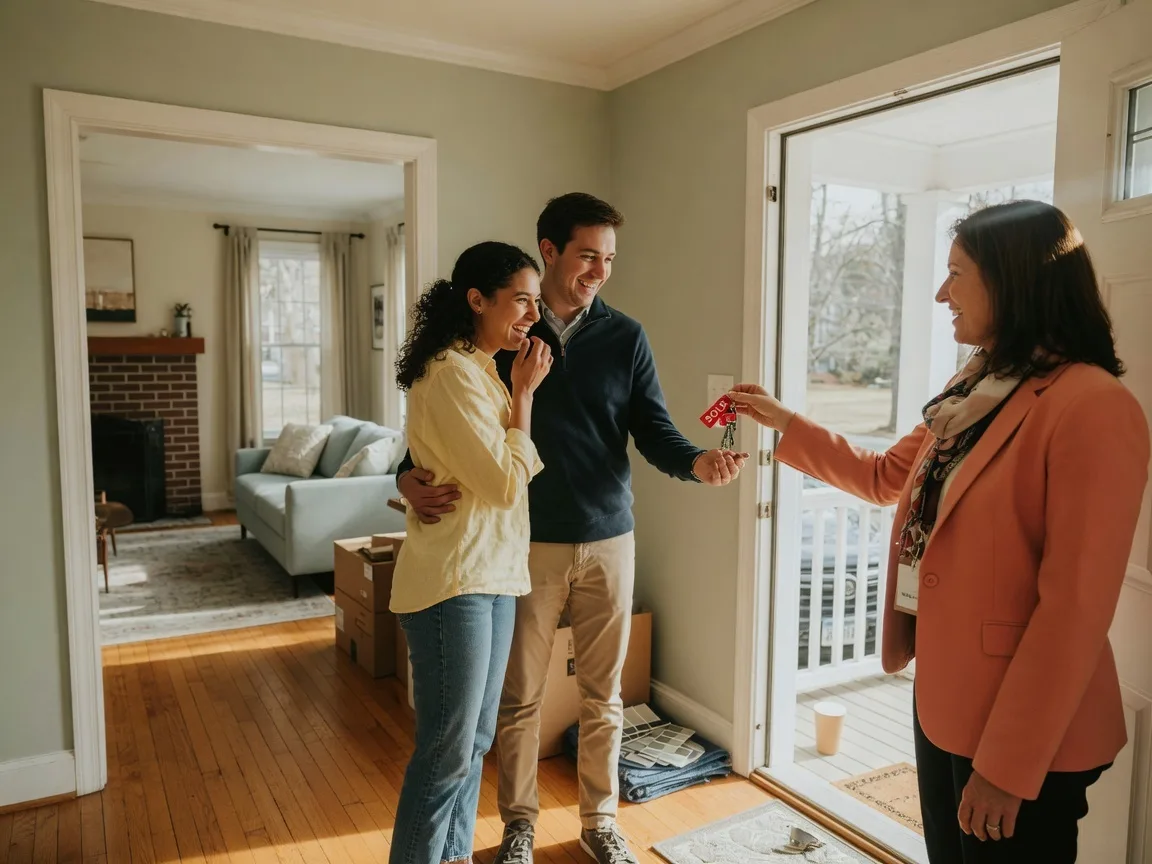
"I have seen buyers walk into a home and fall in love with the paint color and the kitchen island, only to miss a cracked foundation wall or an outdated HVAC system that would cost them thousands later. Touring a home is equal parts excitement and detective work. I teach every buyer I work with what to look for so they can walk into a showing with confidence and walk out knowing exactly what they saw."
— Shannon Russell, MRP
You have found a few homes online that look promising, your pre-approval is in hand, and you are ready to start touring. But once you step through the front door, it is easy to get swept up in the staging, the natural light, and the fresh paint. The best buyers balance that emotional response with a sharp eye for the details that matter.
This checklist walks you through exactly what to observe before, during, and after every home tour in the Richmond and Hampton Roads area. Some items are quick visual checks, and others are questions you will want to ask your agent or the seller's agent. Print it out, save it on your phone, or keep it in mind as you tour. I will also be there taking notes alongside you.
Before You Go Inside — The Exterior Matters
Your assessment starts at the curb. Pull up, park, and take a slow look around before you walk to the front door:
- How does the roof look? Are there missing, curled, or mismatched shingles? Look for signs of sagging or uneven lines. A roof nearing the end of its life (typically 20 to 25 years for asphalt shingles) is a major expense to plan for.
- Check the foundation. Walk around the exterior and look for cracks wider than a quarter-inch, especially horizontal or stair-step cracks in brick or block foundations. Minor hairline cracks are normal as homes settle, but larger cracks signal structural concerns.
- Grading and drainage. Does the ground slope away from the foundation? If water pools near the foundation, it can lead to basement or crawlspace moisture issues. Virginia's clay soils can make drainage a real concern.
- Windows and doors. Are the windows double-paned? Look for condensation between panes, which indicates a failed seal. Do the exterior doors close and seal properly?
- The driveway and walkways. Large cracks or uneven surfaces can be tripping hazards and may indicate underlying soil movement.
Inside the Home — What Every Room Reveals
Once you step inside, your eyes will naturally go to the finishes, the floor plan, and the natural light. Those are important, but here is what else to look for as you move through each room:
Walls, Ceilings, and Floors
- Look for water stains. Yellow or brown discoloration on ceilings or walls near the top of the house may indicate a roof leak. Stains near windows or exterior walls could be from siding or window seal failures.
- Check for uneven floors. If you feel a slope or see gaps between the baseboard and the floor, it could be a sign of foundation shifting or floor joist issues.
- Open and close the windows. Windows that stick, do not open fully, or let in drafts are worth noting. In Virginia's humid summers, properly sealed windows make a real difference in energy bills.
- Run your hand along baseboards. This may sound odd, but it helps you detect dampness, peeling paint, or soft spots that could indicate hidden water damage.
The Kitchen
- Turn on the faucet. Check water pressure and how long it takes for hot water to arrive. Listen for any rattling or banging in the pipes.
- Open cabinet doors under the sink. Look for signs of leaks, rust, or past water damage. Sniff for musty odors that might indicate a slow leak.
- Test the appliances. Open the oven, run the dishwasher through a quick cycle if possible, and check that the refrigerator is cooling. If the appliances are older, note their approximate age.
- Check the exhaust fan. Turn it on and make sure it vents to the outside. Many older homes recirculate the air instead of actually venting moisture and cooking odors.
Bathrooms
- Flush every toilet. Does it flush cleanly? Does it run long after flushing? A toilet that runs constantly can waste hundreds of gallons of water per month.
- Look for caulking condition. Peeling or missing caulk around tubs, showers, and sinks is a common finding on home inspections, and it often leads to hidden water damage behind the walls.
- Check the water heater. Note the age of the water heater (look for the manufacturer's date on the label). Standard tank water heaters last about 8 to 12 years. If it is older than that, budget for a replacement.
- Run the shower and test the ventilation fan. Adequate ventilation in bathrooms is critical in Virginia's humid climate to prevent mold and mildew.
The Basement, Crawlspace, and Attic
- Look for moisture. Musty smells, standing water, efflorescence (white powdery residue on concrete), or visible mold are red flags. In Virginia's climate, a dehumidifier in the basement is common, but active water intrusion needs professional evaluation.
- Check the insulation. In the attic, look for adequate insulation depth and check for signs of pests or rodent droppings. Also check that attic vents are not blocked.
- Examine the HVAC system. Note the age and condition of the furnace and air conditioner. Check the air filter — if it is dirty, it may indicate the current homeowner has not been diligent about maintenance. A well-maintained HVAC system typically lasts 15 to 20 years.
- Look at the electrical panel. Is it labeled? Does it appear organized? An unlabeled, messy panel with double-tapped breakers is a sign of amateur electrical work.
Beyond the House Itself — The Neighborhood Assessment
A home is more than its four walls. The neighborhood, the commute, and the local amenities will shape your daily life as much as the floor plan. Here is what to evaluate:
- Drive the commute during rush hour. A 20-minute drive at 10 AM can easily become 45 minutes at 8 AM. Experience the drive yourself, especially if you are crossing the James River or navigating I-64, I-95, or Route 288.
- Check the school feeder pattern. Even if you do not have school-age children, the school district affects resale value. Verify which elementary, middle, and high school the property feeds into, and check the ratings and test scores online.
- Talk to neighbors if you get the chance. A quick chat with someone working in their front yard can tell you more about the neighborhood than any online listing. Ask about noise, community events, and what they love about living there.
- Check for nearby amenities. Walk to the nearest grocery store, coffee shop, park, or pharmacy. Is there a sidewalk? Are streetlights present? Is the area well-maintained?
- Visit at different times of day. A quiet street at noon can be a busy cut-through during morning and evening commutes. Drive by on a Friday evening and a Saturday morning to get a real feel for the neighborhood.
Red Flags That Warrant a Second Look (or a Second Opinion)
Some issues are cosmetic and easy to fix. Others are structural and expensive. Here is how to tell the difference:
Usually Cosmetic
- Old paint or wallpaper
- Outdated light fixtures
- Worn carpet or flooring
- Old appliances
- Landscaping that needs work
- Scuffed baseboards or doors
Needs Professional Evaluation
- Foundation cracks wider than 1/4 inch
- Water stains on ceilings or walls
- Uneven or sloping floors
- HVAC system over 15 years old
- Roof nearing end of life
- Signs of pest damage or termites
Remember: a home inspection will catch most of these issues in detail. If you see something concerning during a tour, make a note and I will help you decide whether to proceed with an offer, negotiate repairs, or move on to the next property.
What to Bring to Every Showing
Being prepared helps you stay focused and remember what you saw. Here is what I recommend bringing to every home tour:
- A notebook or your phone notes app. Write down your first impression of each home before you leave. A simple rating system (1 to 5 stars) and a few pros and cons will help you compare homes days later.
- A measuring tape. Measure the rooms that matter most to you — the primary bedroom, the kitchen, the living room. Knowing your furniture fits gives you confidence.
- Photos and videos. Take your own pictures and video, even if the listing has professional photos. Your own shots will help you remember how the space actually felt. Just be sure to ask your agent about any privacy restrictions.
- This checklist. Keep it handy so you do not forget to check the key structural and mechanical items while you are taking in the beautiful kitchen.
After the Tour — Debriefing with Your Agent
Once you have seen a few homes, the details can blur together. Here is how I help my buyers stay organized:
After each tour or group of tours, I ask my buyers three questions: What did you love about the home? What gave you pause? And how does it compare to your must-have list? These conversations help us narrow down the options and identify the right home to pursue. As your agent, I will also share my own observations about the property's condition, the neighborhood dynamics, and how the asking price compares to recent sales in the area.
At the end of the day, the right home should feel like a yes. Not a perfect yes on every single item on your checklist, but a yes that feels right in your gut, backed up by the facts you gathered during the tour. That is the combination I help every buyer find.
Let's Walk Through Properties Together
I will guide you through every showing with an expert eye, helping you spot the details that matter and the ones you can change. Schedule a buyer consultation and let's start finding the right home for you.
Shannon Russell
Military Relocation Professional (MRP) & Realtor
Shannon helps buyers across Richmond, Hampton Roads, and Central Virginia find homes they love. She brings local market knowledge, a sharp eye for property condition, and genuine care to every buyer she works with.
Call Shannon at (804) 803-1080