
Winter Home Maintenance Checklist for Virginia Homeowners

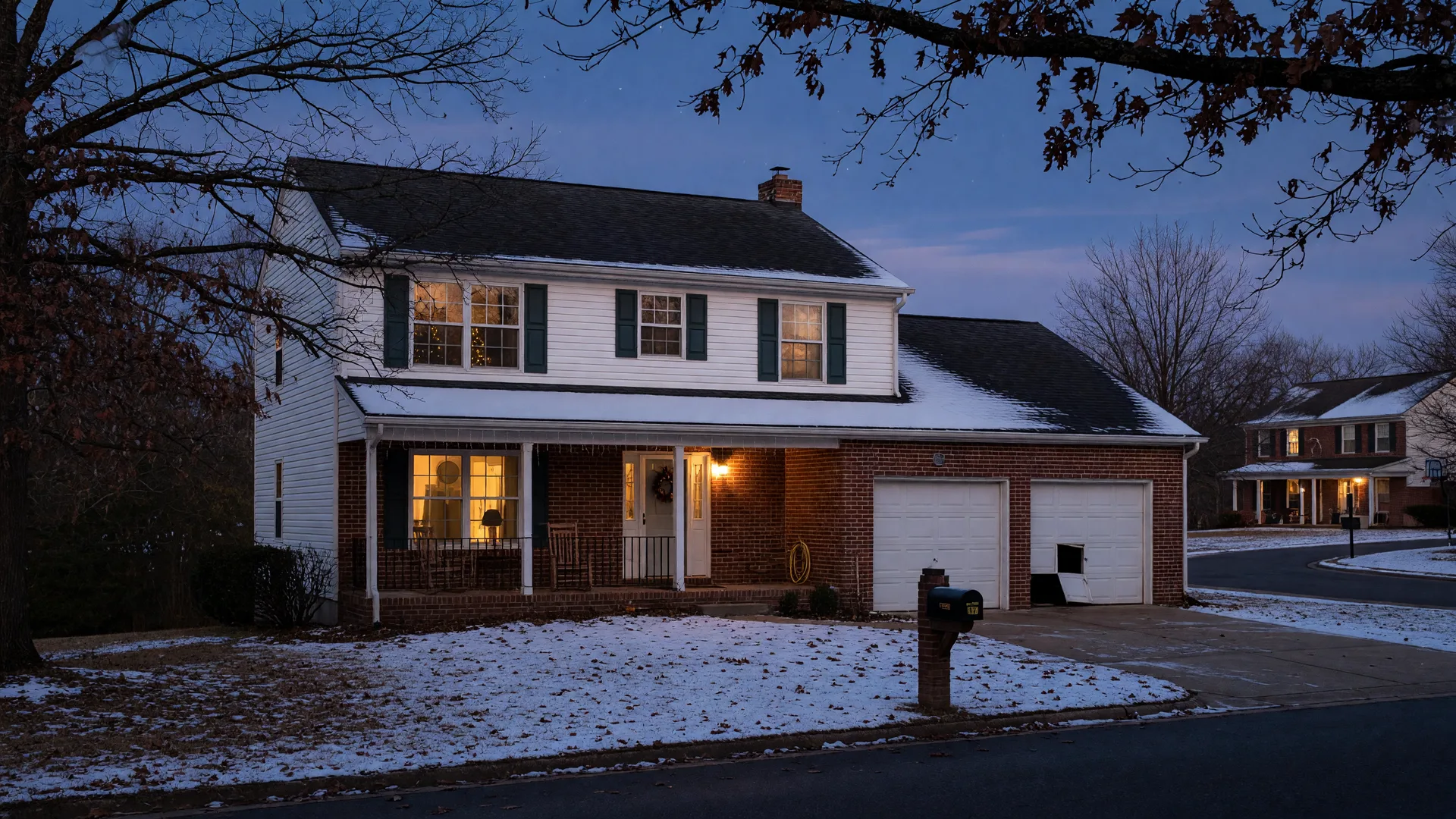
"Virginia winters are milder than New England, but they still bring overnight freezes, the occasional snowstorm, and ice that can knock out power for days. The good news: a handful of chores done on a pleasant fall weekend can save you from a burst pipe, a drafty living room, or an emergency repair call on the coldest night of January. I share this checklist with every homeowner I work with, whether they bought last month or are planning a spring listing."
Shannon Russell, MRP
What does a winter home maintenance checklist actually cover in Virginia? This guide walks through the tasks that matter most before the cold settles in: keeping the heat running efficiently, preventing frozen pipes, sealing out drafts, protecting your roof from ice and snow, and being ready for the power outages that ice storms love to bring. Do these in order, and your home will stay warm, safe, and dry all season.
Virginia's winters are a study in contrasts. One week is 60 degrees and sunny, the next brings freezing rain and single-digit wind chills. That swing is exactly why winter preparation matters: the homes that struggle here are the ones that assumed the freeze would never come. A little effort now, while the weather is cooperative, saves real money and real stress later.
Heating and Indoor Systems: Keep the Warm Air Flowing
Service Your Furnace and Swap the Filter
Your heating system is about to carry the whole house for months. If you have not had a professional tune-up, now is the time to schedule one so a technician can clean the burners, check the heat exchanger, and make sure there are no gas or carbon monoxide leaks. Then make filter changes a monthly habit through the heating season. A clean filter protects the system, keeps the air healthier for your family, and helps your heating bill stay reasonable.
Reverse Ceiling Fans and Clear Vents
Flip the switch on your ceiling fans so the blades turn clockwise at a low speed. That gentle rotation pushes warm air that collects at the ceiling back down into the room, which makes a real difference in how comfortable a space feels. While you are at it, check that furniture and curtains are not blocking baseboard heaters, radiators, or floor vents. A couch parked in front of a vent means the whole room stays cold and the furnace runs longer.
Set a Consistent Thermostat Schedule
Pick a temperature for the day and a slightly cooler one for overnight, and let a programmable or smart thermostat handle the change so you never notice it. Consistent temperatures are easier on your system than dramatic swings, and a setback of seven or eight degrees overnight is a simple, effective way to save without sacrificing comfort. If you travel for the holidays, set the thermostat no lower than about 55 degrees so pipes in exterior walls stay protected.
Prevent Frozen Pipes: The Insurance Policy You Do Not See
A burst pipe is the single most expensive winter surprise a Virginia homeowner can face, and it is almost entirely preventable. Start outside: make sure garden hoses are disconnected and drained, exterior spigots are shut off at the interior valve if you have one, and foam covers are on the outdoor faucets. Then turn your attention to the pipes you cannot see.
Do I need to insulate my pipes?
Any pipe that runs through an unheated crawlspace, attic, garage, or exterior wall should wear foam pipe insulation. It is inexpensive, easy to cut and slip on, and it buys your pipes the extra time they need on a hard freeze night. Pay special attention to the water lines in a garage, since many Virginia garages share a wall with the living space and still get cold enough to freeze those lines.
What should I do during an overnight deep freeze?
When temperatures are forecast to stay below about 20 degrees overnight, open the cabinet doors under sinks so warm house air reaches the plumbing, and let faucets on exterior walls drip slowly. A trickle of moving water is far less likely to freeze solid. Most importantly, know where your main water shutoff valve is and make sure every adult in the house knows how to use it. If a pipe does freeze or burst, shutting the water off fast limits the damage dramatically.
Seal Drafts and Check Insulation: Comfort Without the Bill
Drafty windows and doors are the quiet thieves of a heating budget. Walk the perimeter of your home and feel around every window and exterior door for moving air on a breezy day. Common fixes are quick and inexpensive:
- Replace worn weatherstripping around doors and windows.
- Install or replace door sweeps at the bottom of exterior doors.
- Apply caulk where trim meets siding and around window frames.
- Install foam outlet and switch gaskets on exterior walls.
- If your attic access is a pull-down stair or a simple hatch, add an insulated cover so warm air stops leaking straight up and out.
If you have an older home, check your attic insulation depth while you are up there. Top-of-the-line insulation for the attic is one of the best returns on investment a homeowner can make, and it is a talking point buyers appreciate when the time comes to sell.
Roof, Gutters and Ice Dams: Protect the Top of Your Home
How can I prevent ice dams on my roof?
Ice dams form when heat escaping through the attic melts snow on the roof, and the meltwater refreezes at the colder eaves. The dam then backs water up under the shingles, where it can stain ceilings and rot framing. The best prevention is a combination of good attic insulation and ventilation, which keep the roof deck cold so snow melts evenly. Clear gutters and downspouts before snow arrives, and after a deep snow, use a roof rake to pull snow off the lower few feet of the roofline without climbing a ladder. Large icicles hanging from the eaves are a clue that heat is escaping, not a decoration.
Trim branches before the first good storm
Walk your yard and look for limbs that hang over the roofline, the driveway, or the power drop. A single heavy snow or ice event can snap a weakened limb, and the damage to a roof or a power line is far costlier than a professional trim now while the weather is still cooperative.
Fireplace and Home Safety: Warmth Without Worry
If you have a fireplace or wood stove, verify that the chimney was professionally cleaned and inspected before you light the first fire of the season. Creosote buildup is a leading cause of chimney fires, and a $150 sweep is a bargain against a roofline emergency. Keep a glass screen or doors closed while a fire burns, and make sure ashes go into a metal can, not a cardboard box.
This is also the time to double down on detector checks. Test every smoke alarm and carbon monoxide detector, replace batteries, and replace any unit more than ten years old. Heating season is when carbon monoxide risk climbs, so every floor of the home should have a working CO detector, especially near bedrooms. It is the cheapest life insurance you will ever buy.
Winter Weather Preparedness: Be Ready for the Power Outage
Ice storms in Central Virginia and on the Peninsula have a habit of taking out power for a day or two, and the difference between an inconvenience and an emergency is preparation. Build or refresh a winter kit now:
- Flashlights and lanterns with fresh batteries, plus extra batteries set aside.
- Warm blankets, sleeping bags, and extra layers for every family member.
- Bottled water and non-perishable food that needs no cooking, plus a manual can opener.
- Power banks for phones and a backup plan for medical equipment if anyone depends on it.
- Pet-safe ice melt, a sturdy shovel, and a snow brush for the car. A small car kit with a scraper, blanket, and jumper cables is worth keeping in the trunk all winter.
If you use a portable generator, the rule is non-negotiable: run it outdoors, well away from windows, doors, and vents, and never in the garage, even with the door open. Carbon monoxide from a generator can be fatal in minutes. A properly placed generator and a full tank of gas before a storm make an outage a settled-in evening instead of a scramble.
Why Winter Maintenance Matters for Homeowners
Winter care is really a story about protecting your investment. The homes that breeze through a Virginia winter are the ones whose owners handled the easy stuff in October and November, and when spring comes those same homes show better, appraise higher, and sell faster. If you are planning to list in the next year, a winter checklist you can actually point to is a quiet selling point: it tells buyers the roof was raked, the pipes were protected, and the heat was serviced.
And if this list feels long, you are not alone, and you do not have to do it all in a weekend. Start with the items that protect against the biggest damage: frozen pipes, the furnace, and the detectors. Then work through drafts, roof care, and storm prep at your own pace. If you are unsure about your home's winter readiness, or you are thinking ahead to a spring sale, I would love to help you make a plan. That is exactly the kind of conversation I enjoy most.
Let's Talk About Your Home's Next Chapter
Whether you are a first-time homeowner learning the ropes or a seller getting ready to list, I can help you protect your home now and position it for success later. Reach out for a no-obligation conversation.
Shannon Russell
Military Relocation Professional (MRP) & Realtor®
Shannon helps homeowners across Richmond and Hampton Roads protect their investment through smart maintenance, informed buying decisions, and strategic selling. She brings warmth, honesty, and deep local knowledge to every client relationship.
Call Shannon at (804) 803-1080