
VA Loan Benefits in Virginia: What Military Families Need to Know Before Buying

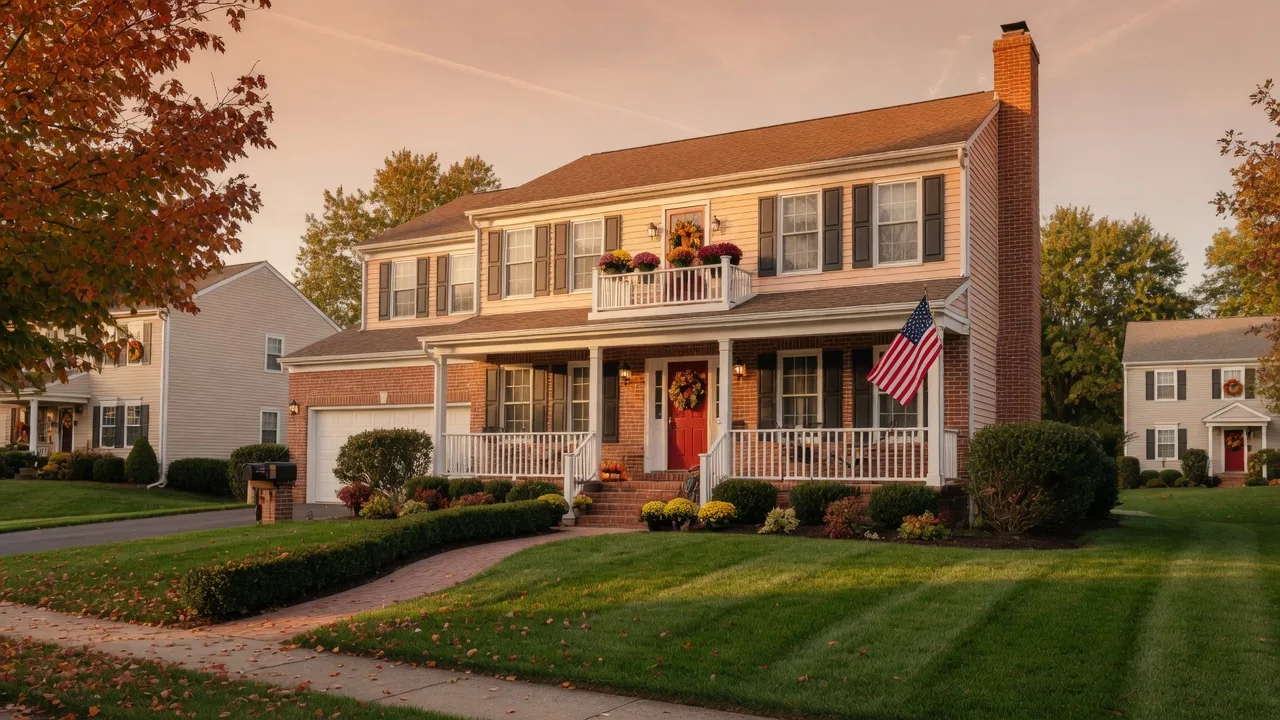
"One of the most common things I hear from military families arriving in Virginia is, 'I didn't know the VA loan was this powerful.' The truth is, your military service gives you one of the best mortgage tools in the country — zero down, no private mortgage insurance, and competitive rates. My job as your MRP-certified agent is to make sure you understand every piece of it before you sign, so you can buy with confidence and keep more money in your pocket."
— Shannon Russell, MRP
If you are an active-duty service member, a veteran, or a surviving spouse, you have access to a mortgage benefit that most civilian buyers can only dream of: the VA home loan. Backed by the U.S. Department of Veterans Affairs, VA loans have helped millions of military families purchase homes since the program began in 1944 — and in a competitive market like Virginia's Richmond and Hampton Roads corridor, understanding how to use this benefit strategically can mean the difference between renting for another year and walking into your own home with zero money down.
As a certified Military Relocation Professional who works with military families every day, I walk buyers through the VA loan process from pre-approval to closing. This guide breaks down everything you need to know — the benefits, the requirements, the costs, and the Virginia-specific details that matter most.
What is a VA home loan and who qualifies?
A VA loan is a mortgage available to eligible veterans, active-duty service members, and qualifying surviving spouses. The loan is guaranteed by the Department of Veterans Affairs — which means the government backs a portion of the loan, reducing the risk for lenders. That reduced risk translates directly into better terms for you as the borrower.
VA loans are not issued by the government itself. They are originated and funded by private banks, credit unions, and mortgage lenders who participate in the VA loan program. The VA guarantee is what allows these lenders to offer zero-down-payment financing and favorable interest rates without requiring private mortgage insurance.
Who is eligible for a VA loan?
Eligibility is generally available to:
- Active-duty service members — typically after 90 consecutive days of active service
- Veterans — who served at least 90 days of active service (with exceptions for those discharged for service-connected disability)
- National Guard and Reserve members — with at least 90 days of aggregate active-duty service or six years of satisfactory service
- Surviving spouses — of service members who died in the line of duty or from a service-connected disability
To prove eligibility, you will need a Certificate of Eligibility (COE) from the VA. Most lenders can obtain this electronically during the pre-approval process. You can also request one directly through the VA's eBenefits portal.
The five biggest VA loan benefits for military families
Here is what makes VA loans the strongest mortgage option available to military families in Virginia — and in most cases, stronger than any conventional or FHA loan on the market.
1. Zero Down Payment
VA loans allow you to finance 100% of the purchase price — meaning you do not need to save up a 3% or 20% down payment before you can buy. In a market where the median home price in the Richmond metro area hovers around $430,000, that means you could purchase a home without putting tens of thousands of dollars down upfront. This is the single biggest financial advantage of the VA loan, and it is one that no conventional mortgage product matches for most borrowers.
2. No Private Mortgage Insurance (PMI)
Conventional and FHA loans both require private mortgage insurance when you put less than 20% down. PMI adds $150 to $300+ per month to your mortgage payment — and it provides you with zero benefit. VA loans have no PMI requirement, period. This alone can save a military family $1,800 to $3,600 per year compared to a conventional loan with the same purchase price.
3. Competitive Interest Rates
VA loans consistently offer lower interest rates than conventional loans. According to data from the VA and major lenders, VA loan rates are typically 0.25% to 0.50% lower than conventional rates for comparable borrowers. Over the life of a 30-year mortgage on a $400,000 loan, even a 0.25% rate difference can save you more than $17,000 in total interest. The VA guarantee gives lenders the confidence to offer these lower rates — and you benefit directly.
4. More Flexible Credit Requirements
While the VA does not set a minimum credit score, most VA lenders approve borrowers with credit scores of 620 and above — and some will work with scores as low as 580 for strong applicants. This is more forgiving than many conventional loan programs. Additionally, VA loans tend to have more lenient debt-to-income ratio guidelines, which matters a lot if you are a military family managing car payments, student loans, or other obligations alongside your housing budget.
5. Reusable Benefit
Your VA loan benefit is not a one-time deal. You can use it again after you pay off a previous VA loan or sell the property — and you can even have more than one VA loan at a time in certain circumstances (for example, if you buy a new home and keep the first one as a rental). This is a huge advantage for military families who PCS frequently: you can use your VA benefit at every duty station throughout your career and into retirement.
What is the VA funding fee — and can you avoid it?
The VA funding fee is a one-time cost charged on most VA loans. It helps offset the cost of the program to taxpayers. The fee varies depending on your down payment amount, whether it is your first time using the VA loan, and your service category.
First-Time VA Loan Use — Purchase
2.15% with zero down payment · 1.50% with 5% to 9.99% down · 1.25% with 10% or more down
Subsequent VA Loan Use — Purchase
3.30% with zero down payment · 1.50% with 5% to 9.99% down · 1.25% with 10% or more down
IRRRL (Streamline Refinance)
0.50% — regardless of down payment or prior use
On a $400,000 home with zero down, the first-use funding fee of 2.15% comes to $8,600. Most borrowers choose to roll this fee into the loan amount rather than paying it at closing, which means it gets financed over the life of the loan and adds a small amount to the monthly payment. Some sellers may also agree to cover part or all of the funding fee as part of your purchase negotiation — something I help my buyers structure in every offer.
Who is exempt from the funding fee?
You are exempt from the VA funding fee if any of the following apply:
- You receive VA compensation for a service-connected disability
- You are a veteran who would be entitled to disability compensation but have not yet received it (provided you apply before closing)
- You are a surviving spouse of a veteran who died in service or from a service-connected disability
- You are a Purple Heart recipient on active duty
This exemption is significant. On a $400,000 purchase, being exempt from the funding fee saves you $8,600 on a first-time use — money that stays in your pocket or reduces your closing costs. Always confirm your exemption status with your lender before closing.
Are there VA loan limits in Virginia?
For veterans with full entitlement — meaning you have never had a VA loan, or you have fully repaid a previous VA loan — there is no loan limit. You can borrow as much as you qualify for with zero down payment. This is a major update that took effect in 2020 under the Blue Water Navy Vietnam Veterans Act, and it means a military buyer in Virginia can purchase any home on the market without a down payment, as long as the lender approves the loan amount based on your income and credit.
If you have partial entitlement — for example, if you currently have an active VA loan and want to buy a second home at your new duty station — county-based loan limits may apply. For 2026, the baseline conforming limit is $832,750 for most counties, with a high-cost ceiling of $1,249,125 for counties in the higher-cost Northern Virginia corridor (Arlington, Fairfax, Loudoun, Prince William, and Stafford). For the Richmond and Hampton Roads areas that Shannon covers, the baseline limit is the one that applies — and in practice, very few homes in these markets exceed it.
How does a VA loan compare to a conventional mortgage?
Let me put the numbers side by side so you can see exactly why the VA loan is typically the better option for military families in Virginia.
On a $400,000 Home Purchase
VA Loan
- Down payment: $0
- Monthly mortgage (approx.): $2,450
- PMI: $0
- Funding fee (rolled in): ~$8,600
- Total monthly: ~$2,490
Conventional (5% Down)
- Down payment: $20,000
- Monthly mortgage (approx.): $2,330
- PMI: ~$225/mo
- Higher rate (+0.25%): adds ~$58/mo
- Total monthly: ~$2,613
The bottom line: The VA loan saves you $20,000 upfront in cash you do not need to put down, keeps your monthly payment lower, and eliminates PMI entirely. Even after accounting for the funding fee, the VA loan is the more affordable option in nearly every scenario.
What is the VA appraisal — and how is it different from a home inspection?
One area that sometimes confuses first-time VA buyers is the difference between a VA appraisal and a home inspection. They are two separate things, and you should never skip either one.
The VA appraisal is required on every VA loan. It serves two purposes: it confirms that the home's value supports the loan amount (similar to a standard appraisal), and it ensures the home meets the VA's Minimum Property Requirements (MPRs) — basic health and safety standards that include a sound roof, safe electrical and plumbing systems, adequate heating, clean water, and no signs of termite damage or other structural issues. If the home does not meet MPRs, the VA appraiser will note the required repairs, and those repairs must be completed before closing.
A home inspection, on the other hand, is a thorough, independent evaluation of the home's overall condition — typically covering 400 or more checkpoints including HVAC, foundation, roof, plumbing, electrical, appliances, and more. A home inspection is not required by the VA or any lender, but I strongly recommend every buyer — VA or not — get one. In Virginia, where homes range from 100-year-old row houses to brand-new construction, an inspection is your best protection against inheriting someone else's deferred maintenance. Inspections in Virginia typically cost between $350 and $750 depending on the size and age of the home, and they take two to four hours.
Important for VA buyers: Do not assume the VA appraisal catches everything. The VA appraisal is a basic value and safety check — it is not a substitute for a full home inspection. I have seen VA appraisals pass homes that had significant issues the inspection later uncovered. Always get both.
How does BAH factor into your VA loan strategy?
One of the smartest financial moves a military family can make is aligning their VA loan purchase with their Basic Allowance for Housing. Since BAH is designed to cover your housing costs, using it toward a mortgage payment rather than rent means you are building equity instead of paying someone else's mortgage.
In the Richmond/Fort Gregg-Adams military housing area, an E-5 with dependents receives approximately $2,268 per month in BAH (2025 rates, with a roughly 4.2% increase expected for 2026). In the Norfolk/JBLE area, the same pay grade and dependency status receives approximately $2,430 per month. These rates generally support a mortgage payment on homes in the $200,000 to $350,000 range — and with zero down and no PMI, your entire BAH goes toward principal, interest, taxes, and insurance.
Here is the strategy I recommend: get pre-approved with a VA-experienced lender before you start touring homes. Know your exact monthly payment range based on your rate, property taxes, and homeowners insurance. Then compare that number against your BAH. In many Virginia communities, you can purchase a well-maintained family home for less than your BAH — which means your housing costs are essentially covered by your military benefits while you build equity in an appreciating asset.
The VA loan process step by step
Here is what the process looks like from start to finish:
Get Your Certificate of Eligibility (COE)
Your lender can pull this electronically in most cases. You can also request it through VA.gov or eBenefits.
Get Pre-Approved with a VA-Experienced Lender
Work with a lender who specializes in VA loans — they understand VA appraisal requirements, funding fee structures, and the fast timelines military buyers often face. I can recommend VA-experienced lenders who have served military families in Virginia for years.
Start Your Home Search
Once pre-approved, you know exactly what you can afford. I will match your budget, duty station, and family needs to neighborhoods that make sense — including commute times, school zones, and community feel.
Make Your Offer
Your VA pre-approval letter goes in with your offer. I will advise on earnest money, contingencies, and negotiation strategy — including whether to ask the seller to cover the VA funding fee.
Under Contract — Inspections and Appraisal
Once your offer is accepted, you will schedule a home inspection (I always recommend this) and the lender will order the VA appraisal. The VA appraisal ensures the home meets minimum property requirements and supports the purchase price.
Clear to Close
Your lender reviews the appraisal, the title work, and your final loan documents. You will receive a closing disclosure at least three business days before closing so you can review every number.
Closing Day — Keys in Hand
Sign your documents, fund your loan, and get the keys to your new Virginia home. Most VA loan closings take 30 to 45 days from contract to keys — which lines up well with PCS timelines.
Five common VA loan mistakes military families make (and how to avoid them)
1. Not getting pre-approved before house hunting
A pre-approval letter from a VA lender tells sellers you are a serious, qualified buyer — and it tells you exactly what you can afford. In competitive markets like Richmond and Hampton Roads, homes often go under contract in the first weekend. Without a pre-approval, you are at a significant disadvantage.
2. Using a lender who does not specialize in VA loans
Not all lenders are equally experienced with VA loans. Some do not understand the appraisal process, the funding fee exemptions, or the faster timelines military buyers need. Working with a VA-experienced lender saves time, reduces stress, and prevents avoidable delays. I work with several VA-experienced lenders in Virginia and can make a recommendation based on your situation.
3. Skipping the home inspection because the VA appraisal passed
The VA appraisal is a basic safety and value check — it is not a comprehensive home inspection. I have seen VA appraisals pass homes with issues that a full inspection would have caught. Always get an independent home inspection, even if the VA appraisal comes back clean.
4. Not knowing you are funding-fee exempt
If you receive VA disability compensation or are a surviving spouse, you are exempt from the VA funding fee — but some buyers do not realize this and pay it anyway. On a $400,000 loan, that is $8,600 you should not have spent. Always confirm your exemption status with your lender before closing.
5. Waiting too long to start the process during PCS season
VA loans can close in 30 to 45 days, but the entire process — from pre-approval to keys — takes time. If you wait until you arrive at your new duty station to start, you may end up in temporary lodging for weeks. Start 90 days before your report date, and you will be in your new home when your household goods arrive.
The bottom line: your VA loan is one of the most valuable benefits you have
The VA home loan was designed to make homeownership accessible for the men and women who serve — and in Virginia's Richmond and Hampton Roads markets, it remains the most powerful tool available to military buyers. Zero down payment, no PMI, competitive rates, and a reusable benefit — this is how military families build wealth and stability while serving.
My role as your MRP-certified agent is to make sure you use this benefit wisely — matching your VA loan to the right home, the right neighborhood, and the right timeline. Whether you are PCSing to Fort Gregg-Adams, JBLE, or any of the other installations across the region, I want you to walk into your closing knowing you made the best financial decision for your family.
If you are a military family considering buying a home in Virginia and you have questions about the VA loan process — reach out to me directly. I will connect you with the right lender, help you understand your options, and make sure every step of the process feels clear and stress-free.
Let's find the right Virginia home — with zero down
As an MRP-certified agent, I work with VA-experienced lenders and know how to structure offers that protect military buyers in competitive markets.
More Guides for Your Virginia Move
Base-by-Base Neighborhood Guide
Where to live near Fort Eustis, Langley AFB, Fort Gregg-Adams, and Southside bases.
Summer PCS Season Guide
Timing your move, finding housing, and navigating peak PCS season in Virginia.
Home Inspection Guide
What inspectors look for, costs, and how to use the report in negotiations.
PCSing to Virginia? Let's make your move smooth.
As a certified Military Relocation Professional, Shannon connects you with VA-experienced lenders, matches your budget to the right neighborhoods, and manages every step of the process.