
What to Expect During a Home Inspection in Virginia: A Buyer's Complete Guide

"I have never once recommended a buyer skip the home inspection — not in a competitive market, not on new construction, and especially not in Virginia, where homes range from 100-year-old historic properties to brand-new builds that still have builder punch-list items. An inspection is not a reason to walk away from a house you love. It is your best tool for understanding exactly what you are buying and negotiating with full information."
— Shannon Russell, MRP
You found the home. Your offer was accepted. Now comes one of the most important steps in the entire buying process: the home inspection. If you have never been through one before, you might not know what to expect — how long it takes, what the inspector is looking at, what the report will tell you, or how to use the results when you sit back down at the negotiating table.
This guide breaks all of it down. Whether you are a first-time buyer, a military family PCSing to Virginia, or a seasoned homeowner purchasing your next property, here is exactly what happens during a Virginia home inspection and how to make the most of it.
What exactly is a home inspection?
A home inspection is a thorough, visual evaluation of a property's condition, conducted by a licensed home inspector. It is not a pass-or-fail test — it is an honest assessment of the home's major systems and components as of the day of the inspection. The inspector will document what is working, what needs attention, and what may need repair or replacement in the near future.
In Virginia, a home inspection is not legally required for most buyers. However, it is strongly recommended by every reputable real estate professional and lender — and for VA loan buyers, while the VA appraisal covers basic health and safety, it is not a substitute for a comprehensive inspection. I recommend every one of my clients get an independent home inspection regardless of loan type.
Virginia is a buyer-beware state. Unlike some states where sellers are legally required to disclose every known defect, Virginia relies on a caveat emptor approach — which means the burden of due diligence falls on you, the buyer. A home inspection is how you meet that responsibility.
How long does a home inspection take — and should I be there?
A standard home inspection for a single-family home typically takes 2 to 4 hours, depending on the size, age, and condition of the property. Larger homes, older homes, or homes with known issues may take longer. Condos and townhomes generally take less time.
Yes, you should attend the inspection. While you will receive a detailed written report afterward, walking through the property with the inspector gives you the chance to ask questions, see issues in person, and develop a firsthand understanding of the home's condition. Many of my buyer clients say the inspection walkthrough is when a house stops being a listing and starts feeling like their home — because you learn every room, every system, and every quirk.
Most inspectors are happy to have you present and will explain their findings in plain language as they go. Bring comfortable shoes — the inspector will be going into the attic, the crawl space, the garage, and on the roof — and bring a notebook or your phone to take notes and photos.
What does a home inspector actually look at?
A comprehensive home inspection covers dozens of systems and components. Here are the major categories and what the inspector evaluates in each:
Roof and Attic
Condition of the shingles or roofing material, age and estimated remaining life, flashing around chimneys and vents, gutters and downspouts, signs of leaks or water intrusion, attic insulation, ventilation, and any signs of structural issues. Virginia's mix of hot summers, occasional ice storms, and heavy spring rains can take a toll on roofs — so this section gets careful attention.
Foundation and Structure
Cracks in the foundation walls, signs of settling or movement, water stains in the basement or crawl space, floor leveling, wall and ceiling cracks, door and window alignment. Virginia clay soils expand and contract with moisture, which can cause foundation movement over time — especially in older homes. This is one of the most important sections of the inspection.
HVAC (Heating, Ventilation, and Air Conditioning)
Age and condition of the furnace and air conditioner, filter condition, thermostat operation, ductwork inspection, signs of unusual noises or leaks, and overall functionality. In Virginia's hot, humid climate, your HVAC system works hard from May through September. An aging or poorly maintained system can mean expensive repairs or replacement in the near future — and the inspector will flag that.
Electrical System
Main panel condition and amperage, circuit breakers, GFCI outlets (required in kitchens, bathrooms, and outdoor areas), visible wiring, outlet function, and signs of overloaded circuits or DIY electrical work. Older Virginia homes — especially those built before the 1980s — may have outdated panels (Federal Pacific or Zinsco brands are red flags), aluminum wiring, or knob-and-tube wiring that requires attention.
Plumbing
Water pressure, pipe material (copper, PVC, PEX, or older galvanized and polybutylene), drain function, water heater age and condition, signs of leaks under sinks and around toilets, and sewer line access. Polybutylene piping — which was common in Virginia homes built between the 1970s and 1990s — is known for failure and will be flagged as a concern.
Exterior, Siding, and Grading
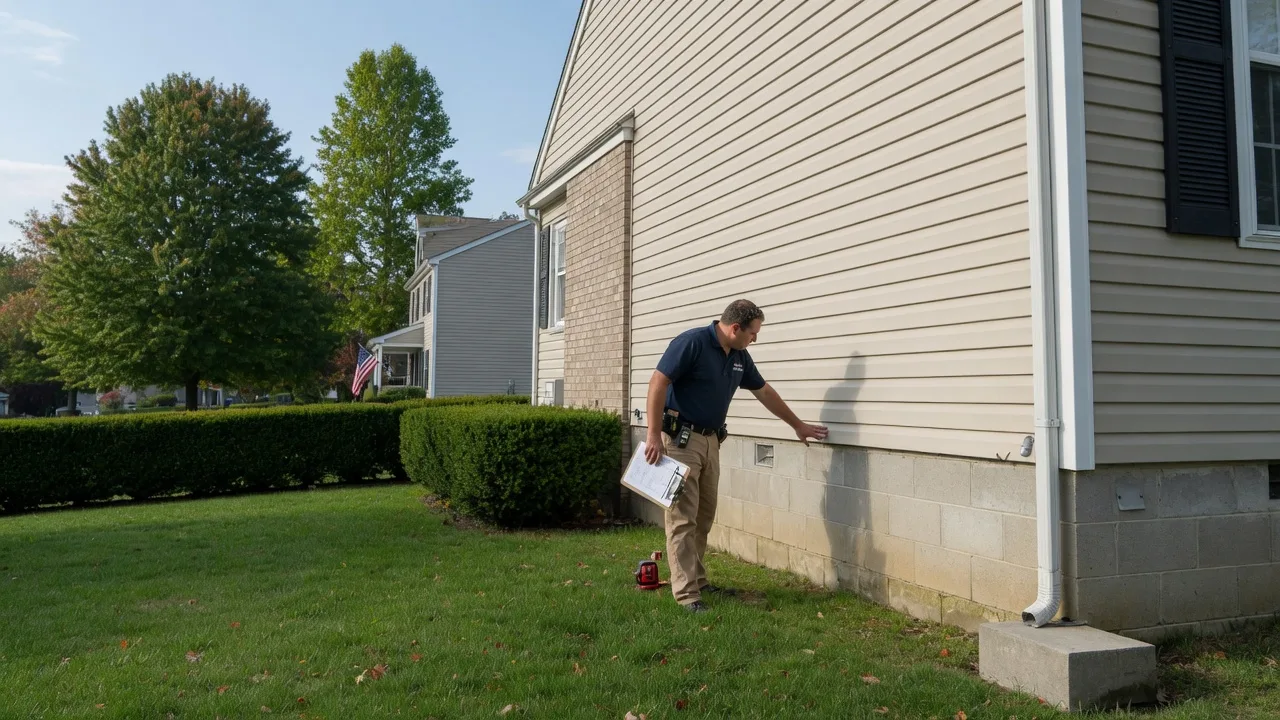
Siding condition, trim and caulking, deck and porch structural integrity, driveway and walkway condition, grading and drainage (water should flow away from the foundation, not toward it), exterior paint or coating condition, and window and door seals. In Hampton Roads, the salt air accelerates corrosion and wear on exterior components — something the inspector will note.
Interior, Appliances, and Safety
Operating condition of major appliances (dishwasher, range, refrigerator, washer and dryer if included), smoke and carbon monoxide detectors, handrails on stairs, garage door operation, and general interior condition including walls, floors, ceilings, and windows. For pre-1978 homes, the inspector may note areas where peeling paint could indicate a lead paint risk.
What common issues do Virginia home inspections uncover?
Every home is different, but certain issues come up repeatedly in Virginia — and knowing them in advance helps you understand what to watch for and what is normal versus what deserves serious attention.
Moisture and Humidity Issues
Virginia's humid subtropical climate means moisture is a persistent concern. Crawl spaces with inadequate vapor barriers, condensation on ductwork, mold growth in attics, and water stains in basements are common findings. In Hampton Roads, the proximity to the Chesapeake Bay makes moisture management even more critical. The fix ranges from simple (adding a dehumidifier) to significant (encapsulating a crawl space), and the inspector will help you understand the scope.
Foundation and Settling
Virginia's clay-rich soils expand when wet and shrink when dry, which can cause foundation movement over time. Hairline cracks in brick or drywall are common and usually cosmetic, but stair-step cracks in brick, doors that no longer close properly, or sloping floors can indicate more significant settling that needs professional evaluation.
Termite and Wood-Destroying Insect (WDI) Activity
Virginia is in a high-activity zone for termites, particularly subterranean termites. Many counties require a separate WDI inspection (sometimes called a termite bond or pest inspection) as part of the sale — and VA loans require a WDI inspection in most cases. The inspector or a separate pest control company will check the foundation, crawl space, wood framing, and any wood-to-ground contact for signs of active infestation or prior damage.
Outdated Electrical Panels
Homes built between the 1960s and 1990s in Virginia sometimes have Federal Pacific or Zinsco electrical panels, which are known fire hazards and are no longer manufactured. The inspector will identify the panel brand and may recommend replacement. Knob-and-tube wiring in older Richmond homes is another common finding. These are not always deal-breakers, but they should be evaluated by a licensed electrician.
Roof Wear and Storm Damage
Virginia sees its share of severe weather — summer thunderstorms, occasional tropical systems, and ice storms. Roofs in the Hampton Roads area, in particular, face salt-air corrosion and wind damage. The inspector will document the roof's condition, note any missing or damaged shingles, and estimate the remaining useful life. A roof with fewer than three to five years of remaining life will likely become a negotiating point.
Polybutylene Piping
Polybutylene (poly-B) pipes — typically gray, blue, or black flexible plastic — were widely used in Virginia homes built between the 1970s and mid-1990s. These pipes are prone to failure and are a red flag during inspections. If the home has poly-B piping, the inspector will note it, and you may want to budget for a full replumbing or negotiate the cost with the seller.
How much does a home inspection cost in Virginia?
Home inspection costs in Virginia typically range from $350 to $750, depending on the size and age of the home, the inspector's experience, and the scope of the inspection. Larger homes, older homes, and properties with additional systems (such as wells, septic tanks, or outbuildings) will be at the higher end of the range.
Additional specialized inspections may cost extra:
- Radon testing: $150–$250 — recommended for all Virginia homes, especially those with basements or crawl spaces. Radon is a naturally occurring radioactive gas that can accumulate in enclosed spaces.
- Termite/WDI inspection: $75–$150 — required for VA loans and often required by the lender or as part of the sale contract.
- Mold testing: $300–$600 — recommended if the inspector observes visible mold or signs of significant moisture intrusion.
- Sewer scope: $150–$300 — a camera inspection of the main sewer line from the house to the street, recommended for older homes or those with mature trees near the sewer line.
The inspection fee is paid by the buyer at the time of the inspection and is separate from your closing costs. Think of it as the cost of knowing exactly what you are buying.
What does the inspection report look like?
After the walkthrough, you will receive a detailed written report — usually delivered electronically within 24 hours. Modern inspection reports are typically 30 to 60 pages long, with color photographs of each finding, organized by system (roof, foundation, HVAC, plumbing, electrical, etc.).
Every report will include three categories of findings:
Major Issues
Problems that affect safety, structural integrity, or the function of major systems. Examples: active roof leaks, foundation cracks, faulty electrical panels, HVAC failure, termite damage, or polybutylene piping. These are the items that typically become negotiation points.
Maintenance Items
Items that are not urgent but will need attention in the near to mid-term. Examples: an aging water heater, worn weatherstripping, caulk that needs replacing, a gutter that is pulling away from the fascia. These items are informational and help you plan your maintenance budget.
Minor / Cosmetic Items
Small issues that do not affect safety or function. Examples: a dripping faucet, a cracked outlet cover, paint touch-ups, minor drywall dents. These are noted for completeness but rarely impact your decision to buy.
Read the full report carefully — but do not panic. Every home has inspection findings. A brand-new construction home will have a punch list. A 30-year-old home will have a longer list. The question is not whether the report is clean — it is whether the major issues are manageable, and whether the home is worth the investment at the agreed-upon price.
How do you use the inspection report in negotiations?
The inspection report gives you three potential paths after you receive it:
1. Accept the Home As-Is
If the findings are mostly minor maintenance items and no major issues, you can proceed with the purchase as planned. This is common for homes that have been well-maintained, and it gives the seller confidence that the deal will close cleanly.
2. Request Repairs
You can ask the seller to repair specific items before closing — typically major issues like a roof leak, a faulty electrical panel, or active termite damage. The seller is not required to agree, but in many cases, they will address significant safety or structural issues to keep the deal moving. In Virginia, repair requests are typically submitted as a formal amendment to the purchase contract.
3. Negotiate a Price Reduction or Credit
Instead of asking for repairs, you can negotiate a price reduction or a seller credit at closing to offset the cost of repairs you will handle yourself. This approach gives you control over who does the work and ensures the repairs are done to your standards. A seller credit can also cover closing costs — which is especially helpful for VA buyers managing their cash-to-close budget.
In some cases, buyers also have the right to terminate the contract based on inspection findings — this is typically built into the purchase agreement as an inspection contingency. If the findings reveal problems you are not comfortable taking on, you can walk away and have your earnest money returned. This contingency exists to protect you, and I make sure every one of my clients understands their rights before we go under contract.
How does the inspection work with a VA loan?
If you are using a VA loan, you will have both a VA appraisal and a home inspection — they are separate processes and serve different purposes.
VA Appraisal (Required)
Ordered by the lender. Confirms the home's market value supports the loan amount and verifies the home meets the VA's Minimum Property Requirements (MPRs) — basic safety and habitability standards including a sound roof, safe electrical and plumbing, adequate heating, clean water, and no active termite damage. If MPRs are not met, repairs must be completed before closing.
Home Inspection (Recommended)
Arranged by the buyer with an independent, licensed inspector. A far more thorough evaluation covering 400+ checkpoints across every system in the home. Not required by the VA or the lender, but I recommend every VA buyer get one. The VA appraisal catches basic safety issues — the home inspection catches everything else.
The key takeaway: A VA appraisal passing does not mean the home is problem-free. The VA appraisal is a minimum standard check, not a comprehensive condition report. I have seen VA appraisals pass homes with issues that would have been caught by a full inspection. Always get both.
Should I get an inspection on new construction?
Absolutely. New construction homes are not immune to issues — in fact, they often have their own set of challenges. Builders typically hire subcontractors for each phase of construction (foundation, framing, electrical, plumbing, HVAC, drywall, finishing), and the quality of work can vary. A third-party inspection catches things that the builder's own quality control may miss.
The best time to inspect new construction is during the framing stage (before drywall goes up) and again at the final pre-closing walkthrough. The framing inspection reveals structural framing issues, insulation gaps, and plumbing or electrical rough-in problems that are invisible once the walls are closed. The final inspection catches cosmetic defects, incomplete work, and anything that was missed along the way.
In Virginia's booming new construction markets — New Kent, Chesterfield, Hanover, and parts of the Peninsula — I recommend every buyer invest in a third-party inspection, even if the builder offers their own walkthrough. An independent inspector works for you, not the builder.
How to get the most out of your home inspection
Attend the inspection in person. Walking through with the inspector gives you context and lets you ask questions in real time. You will learn more in two hours of walking through the home than you will from any written report alone.
Hire a licensed, experienced inspector. Virginia requires home inspectors to be licensed. Look for inspectors who are members of professional organizations like ASHI (American Society of Home Inspectors) or InterNACHI, and who carry errors and omissions insurance. I work with several inspectors I trust and can make a recommendation.
Do not skip additional specialized inspections. A standard home inspection does not cover everything. If the inspector recommends radon testing, a termite inspection, a sewer scope, or mold testing — follow that recommendation. The cost is small relative to what you might uncover.
Ask questions. A good inspector will happily explain what they find in terms you can understand. If you do not know what a finding means, ask. If you are not sure how serious an issue is, ask for context. This is the time to be curious.
Review the report carefully before negotiating. Read the full report and identify the major findings. Then discuss with your agent what to request from the seller. Not every finding is a negotiation point — focus on safety, structural, and system issues that affect the home's value or your ability to live in it comfortably.
The bottom line: an inspection is your best protection as a buyer
Buying a home is one of the largest financial decisions you will ever make. Whether you are a first-time buyer, a military family relocating to Virginia, or a seasoned homeowner, the home inspection is the single best investment you can make in the process. It costs a few hundred dollars and gives you complete transparency into the condition of the property — from the foundation to the roof and every system in between.
In Virginia, where you are buying in a caveat emptor state with homes that range from historic to brand-new, that transparency is not optional — it is essential. And when you work with an agent who understands the inspection process, you gain an advocate who can help you interpret the findings, negotiate fairly, and move forward with confidence.
If you are buying a home in the Richmond, Hampton Roads, or surrounding Virginia areas and want help navigating the inspection process — reach out to me directly. I will connect you with trusted inspectors, help you understand the report, and make sure your next steps are clear and well-informed.
Let's make sure you know exactly what you are buying
As an MRP-certified agent, I guide military families and first-time buyers through every step — from home search to inspection to closing day.
More Guides for Your Home Search
First-Time Buyer's Guide
Step-by-step guide to buying your first home in Richmond and Hampton Roads.
VA Loan Guide for Military Families
Zero-down financing, no PMI, funding fees, and eligibility explained.
How to Make a Winning Offer
Earnest money, contingencies, and negotiation strategy for Virginia buyers.
Ready to find the right home in Virginia?
Shannon connects military families and first-time buyers with trusted local inspectors, VA-experienced lenders, and the neighborhoods that fit their lifestyle.