
Your First Virginia Winter in a New Home: What Newcomers and Military Families Should Know

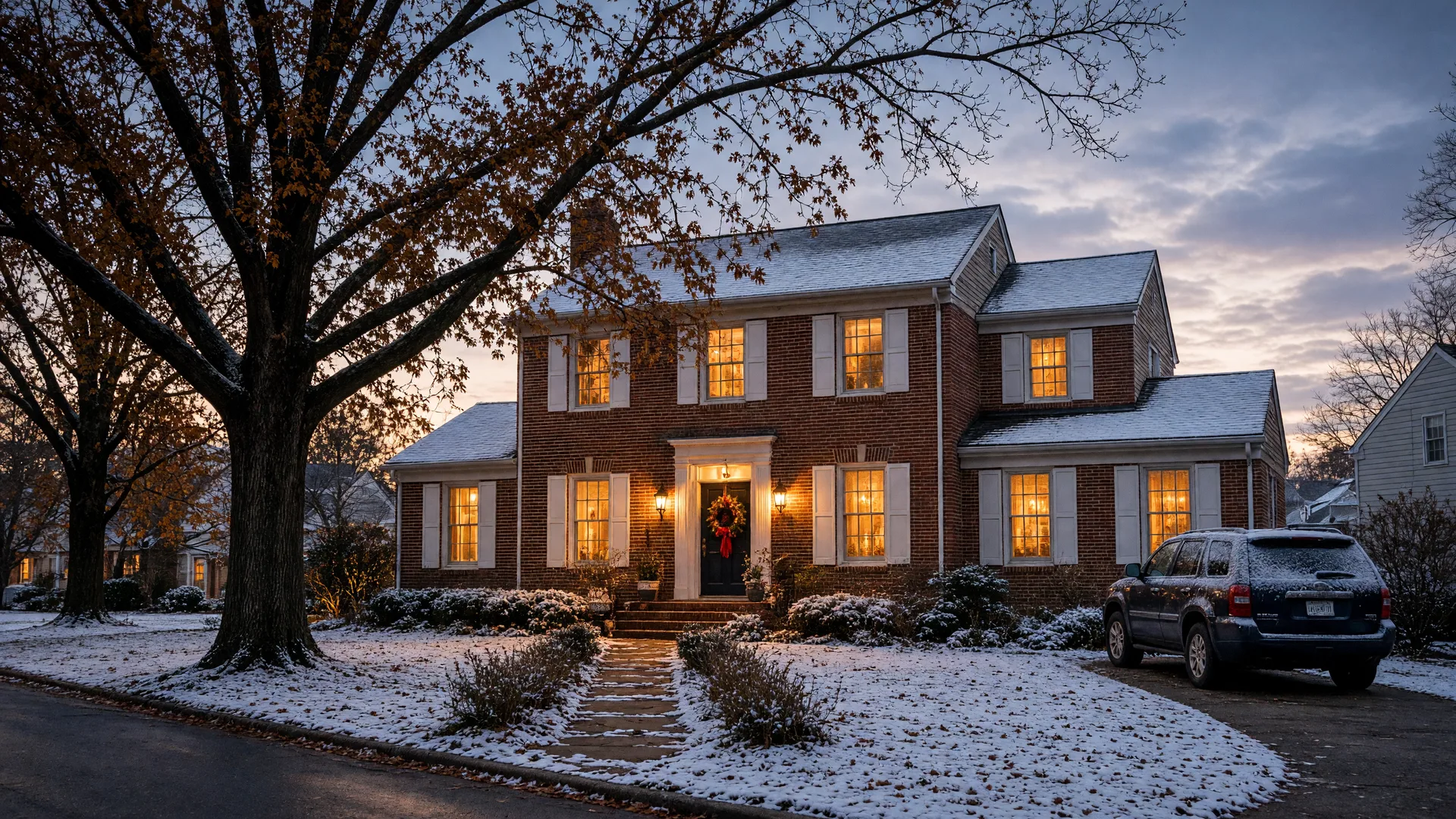
"You have the keys, the boxes are unpacked, and now the calendar says December. Your first Virginia winter in a new home does not have to feel like a test. The families I help settle into Richmond and Hampton Roads tell me the same thing every year: a little preparation and one good commute decision turn the coldest months into their favorite season here. As a Military Relocation Professional and a Navy veteran's wife, I know what it takes to make a new place feel like home, and I will walk you through it step by step."
Shannon Russell, MRP
If you just moved to Virginia, or you are arriving right around the holidays, winter is likely your first real season here. It is a good season to be a newcomer, actually. The crowds thin out, the neighborhoods light up, and the real estate calendar gets quiet in a way that can work in your favor. What you need is a clear picture of what the weather actually does, a short list of things to check in a house you have never wintered in, and one commute decision that protects your daily life for your whole time here. That is what this guide is for.
I have lived all around the Richmond and Hampton Roads areas, from the river towns to the Peninsula, and I have helped military families, first-time buyers, and relocating professionals settle into every kind of home this region offers. I also understand the stress of settling a family into a new place, because I have walked through it with so many families over the years. My goal here is simple: you should feel informed, at ease, and genuinely excited about the season ahead, not nervous about it.
What a Virginia Winter Actually Feels Like
Virginia winters are mild compared with New England or the Midwest, but they are not a joke either. Plan for nights below freezing from mid-December through February, with cold snaps that can linger for a week, and the occasional ice event that coats roads and trees overnight. Big snows happen, but they are the exception rather than the rule; ice and cold rain are the more common troublemakers. The key thing to understand is unpredictability. One week can feel like early spring, and the next can close schools for two days.
For families coming from warmer climates, the adjustment is mostly about routine. Keep a set of winter clothes and shoes ready in the car, learn your county's school delay and closing notification system early, and treat the forecast like a friend you check every evening. Once you build those small habits, a Virginia winter becomes a very manageable, even cozy, season. And because the region is used to cold snaps, homes here are built for them in ways you can verify with a quick checklist.
The Newcomer's House Walkthrough: Getting a Home You Have Never Wintered In Ready
When you buy or rent a home in autumn, you are inheriting someone else's maintenance record, and you may not know what is in it. Before the first hard freeze, take a single Saturday to walk your new house with these questions in mind. None of it is complicated, and most of it takes minutes, but each item protects you from an expensive or uncomfortable surprise in January.
- Know your heat system. Find the furnace or heat pump, change or check the air filter, and confirm the thermostat works. If the system looks old or you have no service record, book a tune-up now, not when the first cold snap hits and every technician in the region is booked.
- Find your water shutoff. Know where the main water valve is and how to turn it off. A burst pipe is rare in Virginia, but knowing the shutoff is a five-minute lesson that can save a whole floor of your home.
- Shut off and drain outdoor faucets. Detach garden hoses, close the inside shutoff for exterior spigots, and drain the line where you can. If your home has a hose bib you cannot reach, ask a handyman or your property manager to show you the winterizing setup before temperatures drop below freezing.
- Clean gutters and downspouts. Leaves from Virginia's oaks and maples can clog gutters fast, and ice dams start with blocked drainage. A clear gutter also protects your foundation when the thaw comes.
- Walk the doors and windows. Run a hand along weather stripping and check for drafts. A tube of caulk or a draft stopper is cheap, and you will feel the difference in your heating bill and your comfort.
- Build a small emergency kit. Flashlights, batteries, a power bank, bottled water, blankets, and a basic first aid kit. Virginia ice storms occasionally knock out power, and being ready beats being sorry.
For the full room-by-room rundown, my winter home maintenance checklist goes deeper into every system, from the fireplace to the roof. Print it, hang it on the fridge, and work through it at your own pace. And if you bought this summer or fall, my fall checklist covers the prep work that makes winter easier.
The Winter Commute and the One Geography Rule
Winter weather changes how every commute feels, and in Hampton Roads it makes one decision matter more than any other: which side of the water you live on. The Hampton Roads Bridge-Tunnel and the Monitor-Merrimac Memorial Bridge-Tunnel are the only vehicle crossings between the Peninsula and the Southside, and when weather hits, they slow to a crawl or close entirely. A commute that is a minor nuisance in July can become a daily stress test in January, so I give every military family the same rule, and I want every newcomer to hear it too.
If your work is on the Peninsula side, at Fort Eustis, Naval Weapons Station Yorktown, the Newport News Shipyard, or Langley Air Force Base, live on the Peninsula side of the water. That means Hampton, Newport News, York County, Williamsburg, James City County, or the growing communities farther west: New Kent, Hanover, and West Point. Every one of those connects to the Peninsula bases without ever crossing a bridge-tunnel, and families who choose them trade a few extra minutes for acreage, new construction, and country quiet. My Langley and Fort Eustis relocation guide walks through the neighborhoods in detail.
If your work is on the Southside, at Joint Expeditionary Base Little Creek, Naval Station Norfolk, NAS Oceana, or Norfolk Naval Shipyard, live on the Southside. Norfolk, Virginia Beach, Chesapeake, Portsmouth, and Suffolk keep you on the same side of the water as your gate, so no bridge-tunnel ever stands between you and home on a stormy morning. My Southside relocation guide covers those communities street by street.
The rule is simple: know your gate, then choose your side. When families tell me their winter is going well, that decision is almost always why. For more on matching neighborhoods to bases, the base neighborhood guide has the full picture.
School Delays, Snow Days, and Kids Who Have Never Seen Snow
If your kids are new to Virginia, their first snow day is a core memory in the making, and it is worth preparing for. Each school district in the region decides its own delays and closings, and they announce them through their own notification systems, so the first thing to do is sign up for your district's alerts the week you enroll. Know your county's delay vocabulary too: a two-hour delay means school starts two hours later, an early release means afternoon dismissal moves up, and a full closing means the day is off.
For military families, the school liaison at your installation is a genuine lifeline for all of this, registration, mid-year enrollment, and special education coordination included. And for parents, a small lesson: Virginia districts close for ice more often than for snow, because black ice is genuinely dangerous on the region's bridges and rural roads. If the announcement says closed, trust it. A cozy day at home with the kids is a far better outcome than a slow drive on icy pavement.
Cozy Ways to Love Winter in Greater Richmond and Hampton Roads
Winter is when this region shows off its coziest side, and for newcomers it is the fastest way to feel like you belong. The Dominion Energy GardenFest of Lights at Lewis Ginter Botanical Garden turns a world-class garden into a million-bulb wonderland. Christmas Town at Busch Gardens Williamsburg is a holiday tradition families drive across the state to see, and it is in your backyard. Holiday lights drives, local tree lightings, and ice skating rinks pop up across Richmond, Chesterfield, Hanover, New Kent, Williamsburg, and the Peninsula from late November through early January, so there is always something to do on a long winter evening.
When the weather keeps you inside, the region has you covered. The Virginia Museum of Fine Arts and the Science Museum of Virginia offer full days of family-friendly exploring in Richmond, and children's museums and indoor play spaces dot the suburbs. Bookshops, coffee shops, and libraries become gathering places in January, and a slow weekend with cocoa, board games, and a good book is a perfectly Virginia way to ride out a cold snap. My holiday events and winter festivals guide rounds up the best of the season, with details on what is open and when.
Why Winter Can Be a Smart Time to Buy
A quieter market can be a friendlier market. In winter, serious sellers list their homes for a reason, and motivated sellers are often willing to negotiate on price, closing costs, or a flexible move-in date. There is less competition from other buyers, so you have time to think instead of rushing, and a home's heating system, insulation, and weather sealing are on full display in a way they never are in June. If a house is warm and draft-free in February, you know it. That is a form of honesty you cannot get any other time of year.
For military families, a VA loan with zero down and no mortgage insurance remains the most powerful home-buying benefit in America, and winter is a great time to use it. My VA loan guide for military families explains the whole process, and my first-time buyer guide covers the steps from pre-approval to keys. If your report date lands you here in the cold months, my winter PCS guide walks through the timing, the financing, and the moving-day plan end to end.
The honest truth I share with every newcomer: winter in Virginia rewards the prepared. Get the house ready, make the commute decision once and correctly, sign up for school alerts, and plan a few cozy outings, and you will spend January wondering why anyone dreads the season here. And if you are still house-hunting, or you know someone arriving with orders in the new year, I would love to help you find the right home on the right side of the water. Many of my clients become lifelong friends, and it starts with a conversation about what winter in Virginia should feel like for your family.
New to Virginia, or arriving this winter?
I help military families and newcomers find the right home on the right side of the water, and I would love to walk you through your first Virginia winter with confidence. Let us talk about your move, your commute, and your budget.
Shannon Russell is a licensed Virginia Realtor® and Military Relocation Professional (MRP) with Better Homes and Gardens Real Estate Base Camp, serving Richmond, Chesterfield, Hanover, Henrico, New Kent, Williamsburg, James City County, the Peninsula, and the Southside. Licensed in Virginia.